10 Warning Signs Of Nursing Home Abuse You Shouldn’t Ignore

Placing a loved one in a nursing home is one of the hardest decisions many families ever make. It comes from a place of trust. You trust that trained professionals will provide care, dignity, safety, and respect when your loved one can no longer fully advocate for themselves. That is why even the smallest sign that something may be wrong can feel deeply unsettling.
Many families tell us the same thing. At first, it was just a bruise they could not explain. Then a sudden change in mood. A parent who used to enjoy visits now seemed withdrawn or anxious. Too often, these changes are brushed aside as normal aging, illness, or confusion. In reality, those early shifts are sometimes the first warning signs of something far more serious.
As a nursing home abuse attorney, we have seen how abuse and neglect rarely begin with obvious violence. They often develop quietly when oversight fails, staff shortages grow, or misconduct is ignored. This guide is designed to help families recognize the warning signs of nursing home abuse, understand what they may indicate, and know when to take action to protect someone they love.
What Are The Warning Signs Of Nursing Home Abuse?
The warning signs of nursing home abuse include unexplained injuries, poor hygiene, sudden changes in behavior, fear of caregivers, rapid health decline, and missing personal belongings. Emotional indicators such as depression, anxiety, or withdrawal can be just as important as physical signs like bruises or bedsores. Financial irregularities may point to exploitation, while repeated infections or untreated medical issues often signal neglect.
Abuse can be physical, emotional, sexual, financial, or involve neglect. In many cases, it appears as a pattern rather than a single incident. Acting early by documenting concerns and speaking with a nursing home abuse attorney can help stop ongoing harm and protect a resident’s legal rights.
Local Insight: What We See In Chicago Nursing Homes
Across Chicago and throughout Illinois, nursing homes are required by law to meet strict care standards. Unfortunately, enforcement does not always catch problems early. We have worked with families who noticed unexplained weight loss, frequent hospital visits, or emotional withdrawal long before any official complaint was made.
As a nursing home abuse attorney, we often hear families say, “I thought I was overreacting.” In many cases, those instincts were correct. Facilities struggling with understaffing, poor supervision, or inadequate training can allow neglect or abuse to continue unnoticed. Understanding the warning signs gives families the power to step in before the damage becomes irreversible.
What Are The 10 Abuse In Care Act?
Abuse in care settings is commonly grouped into ten categories. Knowing these categories helps families recognize patterns that might otherwise be dismissed as isolated issues.
1. Physical Abuse
This includes hitting, pushing, rough handling, or improper use of force that causes pain or injury. Bruises, fractures, or frequent unexplained injuries may indicate physical abuse.
2. Emotional Or Psychological Abuse
Verbal threats, intimidation, humiliation, or isolation that causes emotional distress. Residents may appear fearful, withdrawn, or anxious around certain staff members.
3. Sexual Abuse
Any nonconsensual sexual contact. Residents with cognitive impairment are especially vulnerable and may struggle to communicate what has happened.
4. Financial Exploitation
Unauthorized use of a resident’s money or property. Missing jewelry, unexplained withdrawals, or sudden financial changes are red flags.
5. Neglect
Failure to provide basic care such as food, water, hygiene, medical attention, or supervision. Bedsores, infections, and dehydration are common signs.
6. Abandonment
Leaving a resident without necessary care or supervision, often during transfers or medical situations.
7. Isolation
Preventing contact with family or other residents as a form of control or punishment.
8. Medication Misuse
Overmedication, skipped doses, or using medication to sedate residents instead of treating medical needs.
9. Improper Use Of Restraints
Using physical or chemical restraints without medical justification or proper authorization.
10. Verbal Abuse
Yelling, insulting, mocking, or speaking in a degrading or threatening manner.
When multiple forms of abuse occur together, it often signals deeper systemic problems within a facility. This is when contacting a nursing home abuse attorney becomes especially important.
What Are Red Flags In A Nursing Home?
Red flags often show up in everyday interactions. Unexplained bruises, frequent falls, or repeated infections should always raise concern. Poor hygiene, unchanged bedding, strong odors, or soiled clothing can point to neglect.
Emotional changes matter just as much. Fear, agitation, depression, or sudden silence can indicate emotional or physical abuse. Staff behavior also plays a role. Caregivers who avoid questions, restrict visits, or become defensive when concerns are raised may be trying to hide deeper issues.
Residents who seem afraid of specific staff members or reluctant to speak openly should never be ignored. Documenting these observations and speaking with a nursing home abuse attorney can help protect your loved one and others in the facility.
What Is The Biggest Complaint In Nursing Homes?
Neglect is consistently one of the most common complaints in nursing homes. Chronic understaffing often leads to residents not receiving timely assistance with eating, bathing, mobility, or medication. Over time, neglect can cause serious physical and emotional harm.
According to the National Institute on Aging, neglect is one of the most widespread forms of elder abuse and can lead to malnutrition, dehydration, bedsores, infections, and preventable hospitalizations. While neglect may not look dramatic at first, its effects can be devastating when left unaddressed.
Physical Warning Signs Families Should Never Ignore
Physical indicators are often the most visible signs of abuse or neglect. These include unexplained bruises, burns, broken bones, frequent falls, or injuries explained vaguely as accidents. Bedsores, especially advanced ones, usually indicate prolonged neglect.
Rapid weight loss, dehydration, or repeated infections can also signal inadequate care. If medical concerns are brushed off or explanations feel inconsistent, it is time to take a closer look and consult a nursing home abuse attorney.
Emotional And Behavioral Changes That Signal Trouble
Emotional abuse can be harder to spot, but it is just as damaging. Sudden withdrawal, fear, depression, anxiety, or changes in personality may indicate mistreatment. Residents may become unusually quiet, agitated, or resistant to care.
Some residents stop participating in activities they once enjoyed or show fear when certain staff members are present. These changes deserve immediate attention and careful documentation.
Financial Abuse And Exploitation Red Flags
Financial abuse is often overlooked but increasingly common. Missing valuables, unexplained charges, changes to wills or powers of attorney, or unusual bank activity may indicate exploitation.
Residents may be pressured into signing documents or giving access to finances. A nursing home abuse attorney can help investigate these situations and protect a resident’s assets.
What To Do If You Suspect Nursing Home Abuse
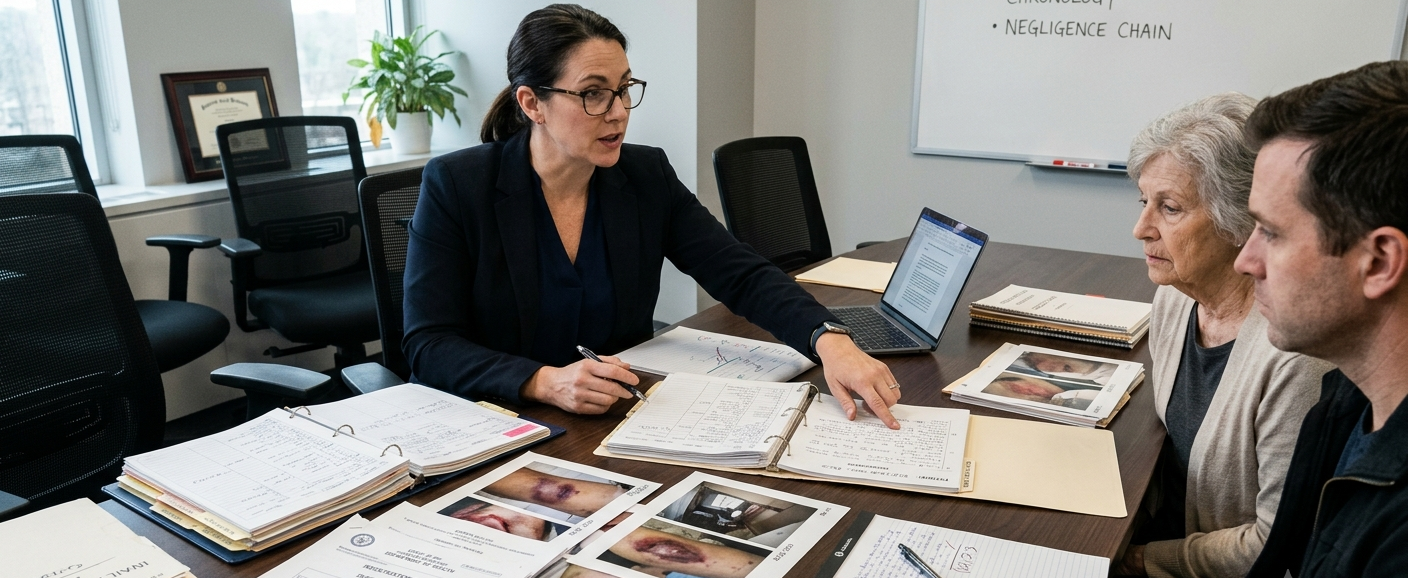
If you suspect abuse or neglect, trust your instincts. Start documenting everything. Take photos of injuries or poor conditions, keep written notes of conversations, and request medical evaluations when needed.
Report concerns to facility administrators, but do not rely on internal investigations alone. Speaking with a nursing home abuse attorney ensures your concerns are taken seriously and investigated independently. Legal guidance helps families understand their rights and take steps to stop ongoing harm.
Why Early Action Matters More Than You Think
Abuse and neglect tend to worsen when left unaddressed. Early intervention can prevent further injury, emotional trauma, or even loss of life. It can also protect other residents who may be experiencing similar treatment.
A nursing home abuse attorney can help ensure evidence is preserved, reports are filed properly, and responsible parties are held accountable. Waiting too long can make cases harder to prove and allow abuse to continue.
How A Nursing Home Abuse Attorney Helps Families
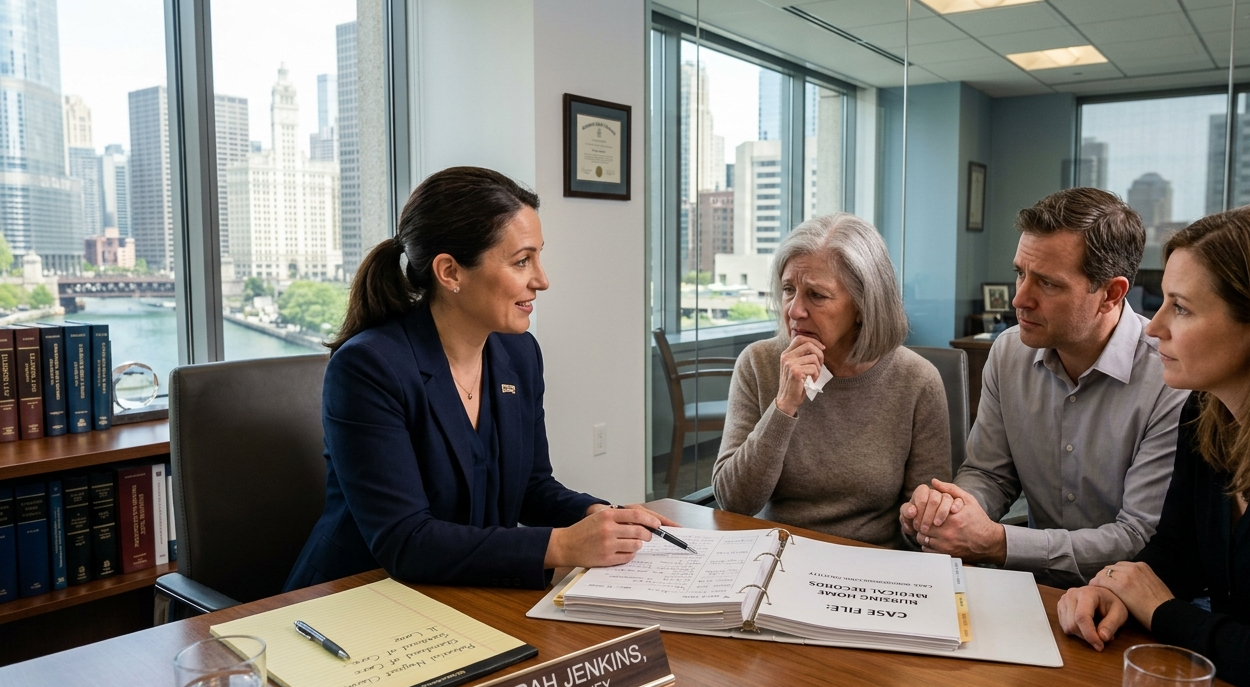
A nursing home abuse attorney does more than file paperwork. They investigate facility practices, review medical records, interview witnesses, and work with experts to uncover what went wrong.
They also help families navigate reporting requirements, communicate with regulators, and pursue accountability through legal channels. Most importantly, they advocate for the dignity and safety of vulnerable residents who may not be able to speak for themselves.
Final Thought
Recognizing nursing home abuse is painful, but ignoring the warning signs allows harm to continue. Families know their loved ones best. Changes in behavior, health, or emotional well-being should never be dismissed.
Trust your instincts and act early. With documentation, advocacy, and support from a nursing home abuse attorney, families can protect their loved ones and help ensure safer care for others. No one deserves to suffer in silence.
If you are concerned about a loved one’s safety, reach out to a nursing home abuse attorney who understands how to protect vulnerable residents and hold negligent facilities accountable. At Chicago Nursing Home Abuse Attorney, we listen with compassion, explain your options clearly, and advocate with purpose. Contact us today to discuss your concerns confidentially and without pressure.