How to Prove Nursing Home Abuse in Chicago
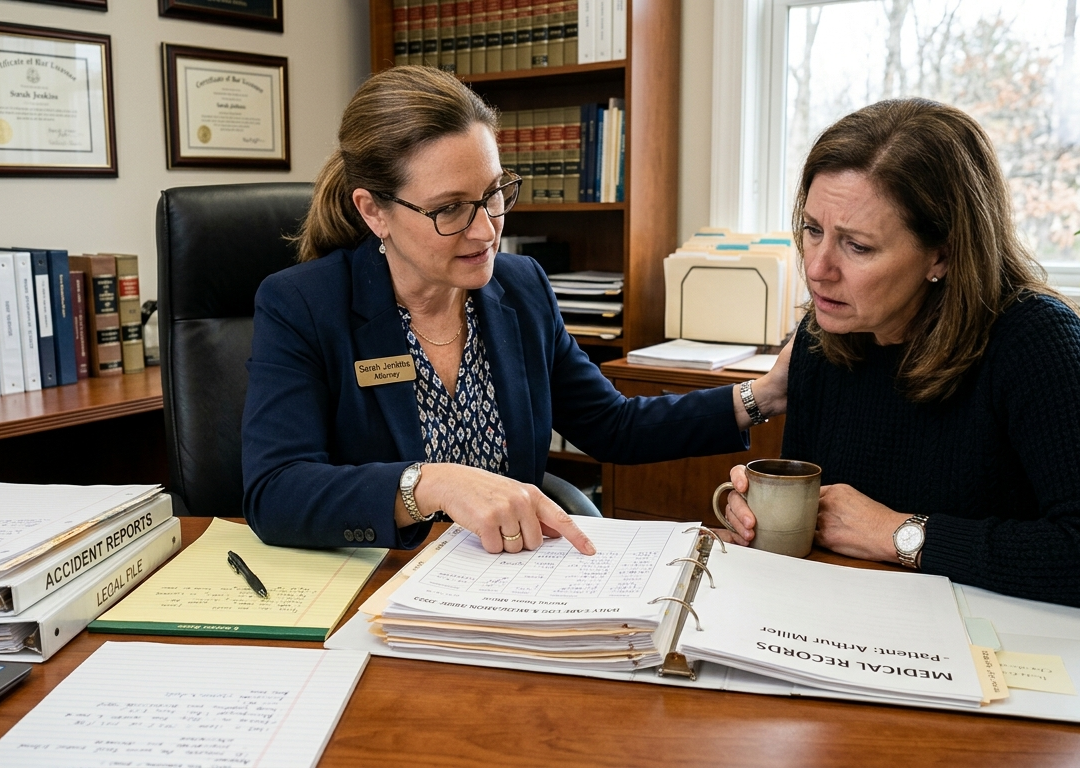
Placing a loved one in a nursing home is never an easy decision. Families trust these facilities to provide compassionate care, protect residents' dignity, and meet their daily medical and personal needs. When signs of abuse or neglect begin to appear, that trust can be shattered. If you suspect something is wrong, taking action early can help protect your loved one and preserve important evidence. Working with a Chicago nursing home abuse law firm can also help you understand your legal rights and the steps available under Illinois law.
Nursing home abuse is not always immediately visible. While some residents suffer physical injuries, others experience emotional abuse, neglect, medication errors, financial exploitation, or inadequate supervision that gradually affects their health and well-being. Understanding what evidence matters, how to report suspected abuse, and how negligence is proven can help families make informed decisions during a difficult time.
What Is Credible Evidence Of Abuse?
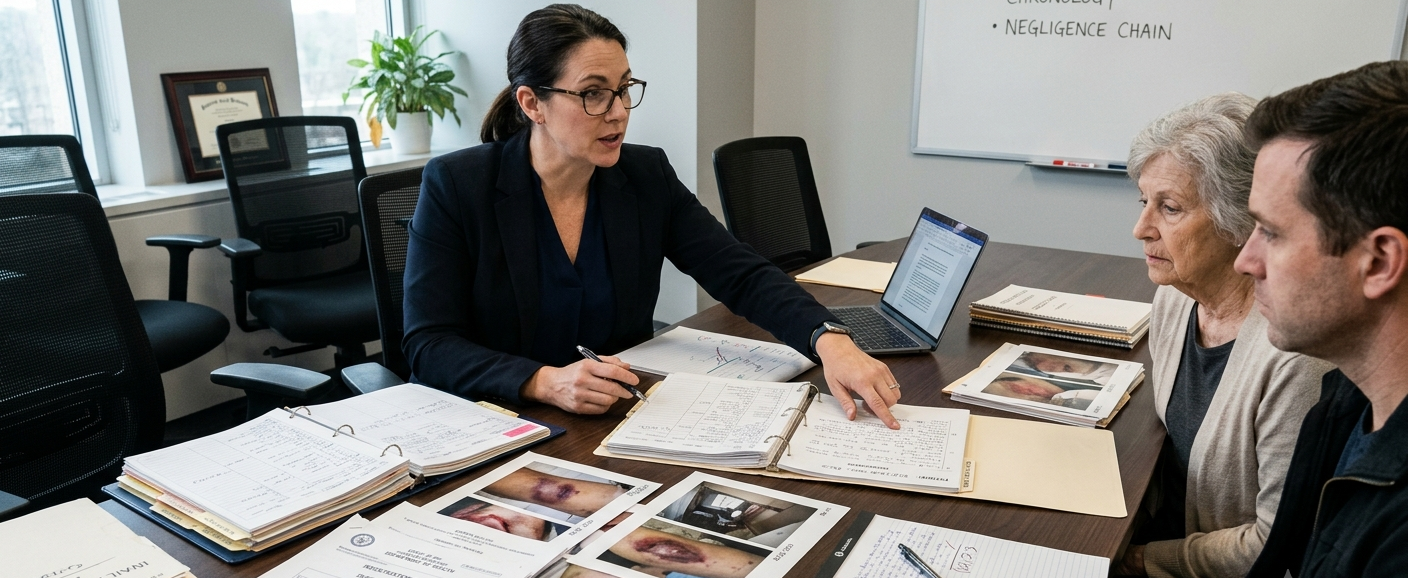
Credible evidence of nursing home abuse includes reliable information showing that a resident experienced abuse, neglect, or care that fell below accepted standards. Photographs of injuries, medical records, physician evaluations, incident reports, medication administration records, staffing schedules, witness statements, surveillance footage when available, and documented changes in a resident's physical or emotional condition may all support a legal claim. Family members should also maintain detailed notes describing conversations with staff, unexplained bruises, sudden weight loss, pressure injuries, poor hygiene, repeated falls, dehydration, or significant behavioral changes. Although a single piece of evidence may not prove abuse, multiple forms of documentation often create a much clearer picture of what occurred. Preserving evidence quickly is essential because physical injuries heal, memories fade, and records may become more difficult to obtain over time. Early guidance from a Chicago nursing home abuse law firm can help ensure valuable evidence is protected before it is lost.
Families should trust their instincts whenever something feels unusual. Many nursing home abuse cases begin with subtle warning signs that are easy to dismiss individually but become much more significant when viewed together. Residents who suddenly appear fearful around certain staff members, become withdrawn, experience rapid health declines, or repeatedly suffer unexplained injuries deserve immediate attention. Maintaining a written timeline of these observations helps establish patterns that may later become valuable during an investigation. Professional legal guidance also helps families understand what additional evidence may be obtained through subpoenas, medical experts, or facility records that are not immediately available.
How To Report Nursing Home Abuse In Illinois?
If you believe a nursing home resident is being abused or neglected, protecting the resident's immediate safety should always come first. Depending on the circumstances, this may involve obtaining emergency medical treatment, contacting local law enforcement if criminal conduct is suspected, or notifying the appropriate state agency responsible for nursing home oversight. Taking prompt action not only protects the affected resident but may also help prevent similar harm to others living in the facility. Families should document everything they observe while arranging appropriate medical evaluations whenever injuries or health concerns are present.
In Illinois, complaints involving licensed nursing homes may be filed with the Illinois Department of Public Health, which investigates allegations involving resident safety, abuse, neglect, staffing concerns, and regulatory compliance. While regulatory investigations play an important role, families should continue preserving their own evidence by collecting photographs, medical records, written timelines, names of potential witnesses, and copies of all communications with the facility. This documentation may later become important if civil legal action is pursued. If you are considering legal representation, obtaining consultations from more than one attorney allows you to compare experience, communication style, legal strategy, and fee arrangements before selecting a Chicago nursing home abuse law firm.
At Chicago Nursing Home Abuse Attorney, we help families understand how regulatory investigations and civil claims often work together. Our team explains each step clearly while protecting both the resident's well-being and the family's legal interests. Early legal guidance often helps preserve evidence that might otherwise disappear during an investigation.
What Are The 4 Things Needed To Prove Negligence?
In most nursing home negligence claims, four legal elements generally must be established: duty of care, breach of duty, causation, and damages. While these legal principles may sound technical, they provide the framework courts use to determine whether a nursing home may be held legally responsible for a resident's injuries. Understanding these elements also helps families appreciate why gathering documentation and preserving evidence is so important. An experienced Chicago nursing home abuse law firm carefully evaluates each element while building a case supported by medical records, witness testimony, and other available evidence.
The first element is duty of care. Licensed nursing homes and their staff have a legal obligation to provide residents with care that meets accepted professional standards. This includes proper supervision, medical treatment, medication management, nutrition, hygiene, mobility assistance, fall prevention, and protection from abuse or neglect. The second element is breach of duty, which occurs when the facility or its employees fail to meet those professional standards. Examples may include failing to reposition residents to prevent pressure ulcers, ignoring medical needs, administering incorrect medications, allowing repeated falls, failing to monitor residents appropriately, or neglecting basic hygiene. The third element is causation, meaning it must be shown that the nursing home's failure directly contributed to the resident's injury or decline. Medical records, physician opinions, expert testimony, and facility documentation frequently play an important role in establishing this connection.
The fourth and final element is damages. These may include physical injuries, emotional distress, additional medical expenses, permanent disability, reduced quality of life, or wrongful death. Every nursing home abuse case is unique because the available evidence differs from one situation to another.
What Is A Type A Violation For A Nursing Home In Illinois?
Illinois classifies nursing home violations according to the seriousness of the conduct and the level of risk presented to residents. A Type A violation represents one of the most serious categories because it involves conditions or actions creating a substantial probability of death or serious physical or mental harm. These violations typically involve failures that place vulnerable residents in immediate danger and often trigger significant regulatory enforcement actions. Understanding what constitutes a Type A violation helps families recognize why prompt reporting and documentation are so important. While regulatory findings can provide valuable information, an experienced Chicago nursing home abuse law firm will also conduct an independent investigation to determine whether additional evidence supports a civil claim.
Examples of Type A violations may include severe neglect, failure to provide necessary medical care, dangerous staffing shortages, significant medication errors, physical abuse, or other conditions that place residents at immediate risk of serious injury. Facilities cited for Type A violations may face substantial fines, mandatory corrective action plans, increased oversight, license sanctions, or other regulatory consequences. However, families should understand that a regulatory citation alone does not automatically establish civil liability, just as the absence of a citation does not necessarily mean abuse or negligence did not occur. Independent legal investigations frequently uncover important evidence that regulators do not identify during facility inspections.
What Evidence Should Families Preserve After Suspected Nursing Home Abuse?
One of the most valuable steps families can take after suspecting abuse or neglect is preserving evidence immediately. Even information that appears minor may become extremely important once the complete timeline of events is reconstructed. Early documentation often strengthens both regulatory investigations and potential civil claims because important details remain fresh and available. Families who act quickly provide their legal team with a stronger foundation for evaluating the circumstances surrounding the resident's injuries or declining health. This is another reason why consulting a Chicago nursing home abuse law firm early in the process can be beneficial.
Photographs should be taken of visible bruises, cuts, pressure ulcers, swelling, poor hygiene, unsafe living conditions, or other concerning observations. Whenever possible, additional photographs should be taken over several days to document changes in injuries or healing progress. Families should also keep copies of hospital discharge records, physician evaluations, prescription information, laboratory results, diagnostic imaging, therapy records, and other medical documentation related to the resident's care.
Maintaining a written journal that records conversations with nursing home staff, behavioral changes, missed medications, unexplained injuries, weight loss, dehydration concerns, and statements made by the resident often helps establish a detailed chronology of events. If other residents, visitors, or employees witnessed concerning incidents, recording their names and contact information may also become valuable later.
Financial documentation may also become important in cases involving suspected financial exploitation. Unusual bank activity, unauthorized purchases, missing valuables, or unexplained changes to financial accounts should be documented carefully. At Chicago Nursing Home Abuse Attorney, we regularly explain that preserving evidence early can make a meaningful difference because surveillance footage may only be retained briefly, records may change over time, and memories naturally become less reliable. Thorough documentation allows us to evaluate every case more effectively while building the strongest possible claim on behalf of families.
When Should You Contact A Chicago Nursing Home Abuse Attorney?
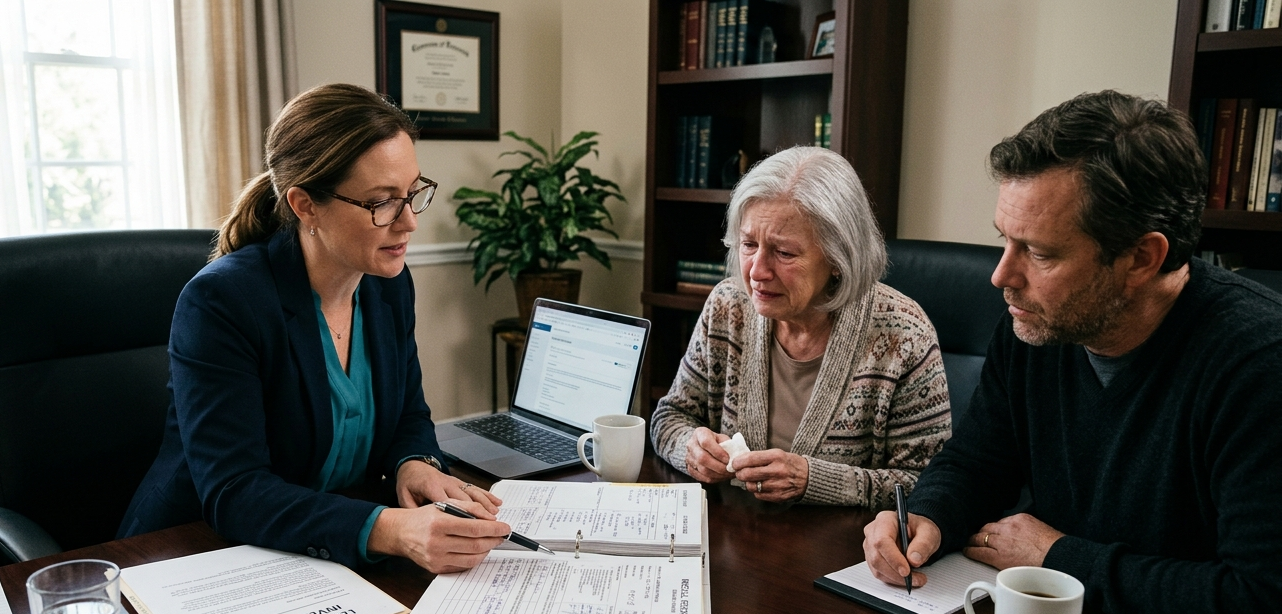
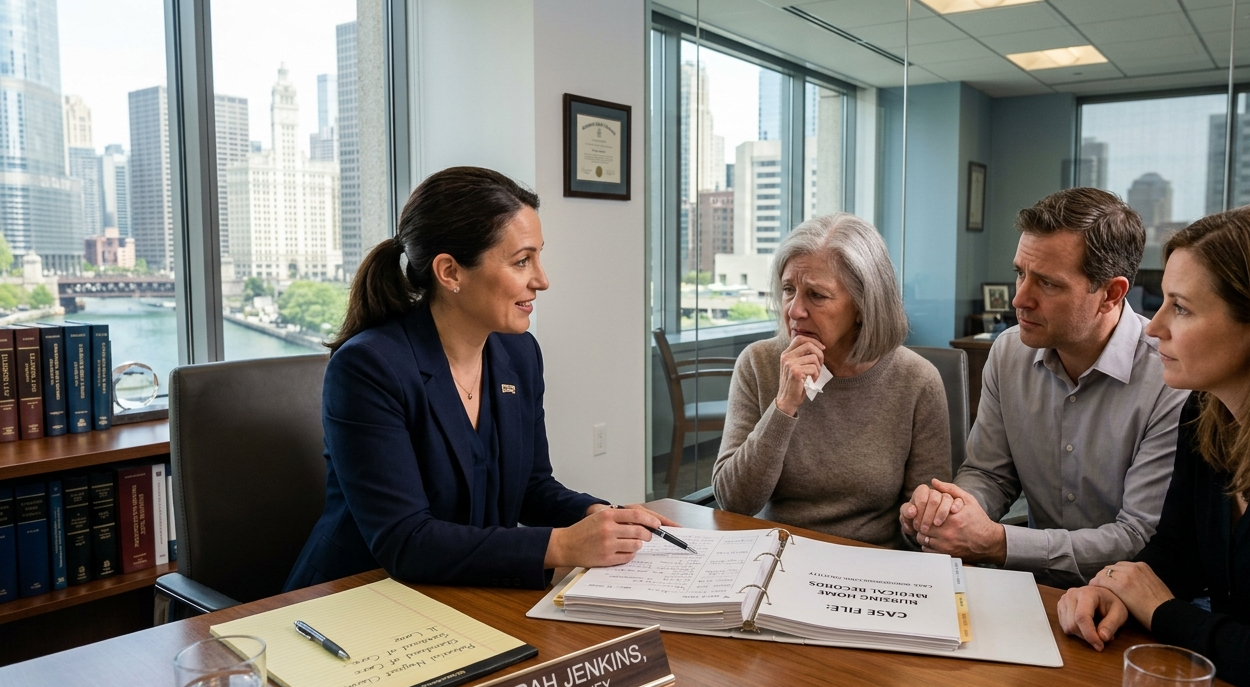
Families often wonder whether they should wait until a government investigation is complete before speaking with an attorney. In many situations, the answer is no. Consulting an attorney early allows important evidence to be preserved while memories remain fresh and relevant records are still available. Speaking with a lawyer does not obligate you to file a lawsuit, but it does help you understand your legal rights, evaluate the available evidence, and determine whether additional investigation is appropriate. Early legal guidance from a Chicago nursing home abuse law firm often helps families avoid mistakes that could unintentionally weaken a future claim.
You should consider seeking legal advice if your loved one has experienced unexplained injuries, repeated falls, pressure ulcers, significant weight loss, dehydration, medication errors, emotional withdrawal, poor hygiene, or any other warning signs that suggest abuse or neglect. Families should also pay close attention if nursing home staff provide inconsistent explanations, refuse to answer reasonable questions, delay access to medical records, or minimize serious concerns without offering satisfactory explanations. These situations do not automatically prove abuse, but they often justify an independent legal review. An experienced attorney can explain how Illinois law applies to your circumstances, identify what additional evidence may be necessary, and discuss the next steps if legal action becomes appropriate. Working with a knowledgeable Chicago nursing home abuse law firm early in the process helps ensure that valuable evidence is protected before it disappears.
At Chicago Nursing Home Abuse Attorney, we understand that every family's experience is different. Some clients contact us immediately after discovering unexplained injuries, while others seek guidance after months of growing concern. Regardless of when families reach out, we carefully review the information available to us, answer questions honestly, and explain every option available to us with compassion and professionalism. Our goal is to help families make informed decisions while protecting the dignity and rights of their loved ones. Explore “How a Chicago Nursing Home Abuse Lawyer Can Help Your Case” for tips to guide your project.
Final Thoughts
Suspecting that a loved one has experienced abuse or neglect in a nursing home is one of the most difficult situations a family can face. While emotions naturally run high, taking organized and timely action can make a meaningful difference. Preserving evidence, documenting concerns, obtaining appropriate medical care, reporting suspected abuse to the proper authorities, and seeking experienced legal guidance all help protect both the resident's well-being and the family's legal interests. Working with a trusted Chicago nursing home abuse law firm provides valuable guidance during an emotionally challenging time.
Every nursing home abuse case presents unique facts and requires careful evaluation. Some involve visible physical injuries, while others arise from neglect, medication mistakes, emotional abuse, inadequate supervision, or financial exploitation that develops gradually. Regardless of the circumstances, families deserve clear answers and a thorough investigation whenever reasonable concerns arise. Understanding the legal process allows families to make informed decisions while protecting the rights of those they love.
Schedule A Confidential Case Evaluation
If you believe your loved one may have experienced abuse or neglect in a nursing home, our team is here to help. We provide compassionate legal guidance, thorough case evaluations, and dedicated representation for families seeking answers and accountability. Every consultation begins with a careful review of your concerns so we can explain your legal options and help you understand the next appropriate steps.
Contact us today at https://chicagoelderabuselaw.com/ to learn more about our services or to schedule a confidential consultation. We are here to help your family protect your loved one's rights with the care and attention every case deserves.
Follow our social media pages below: