How to Report Nursing Home Abuse in Chicago
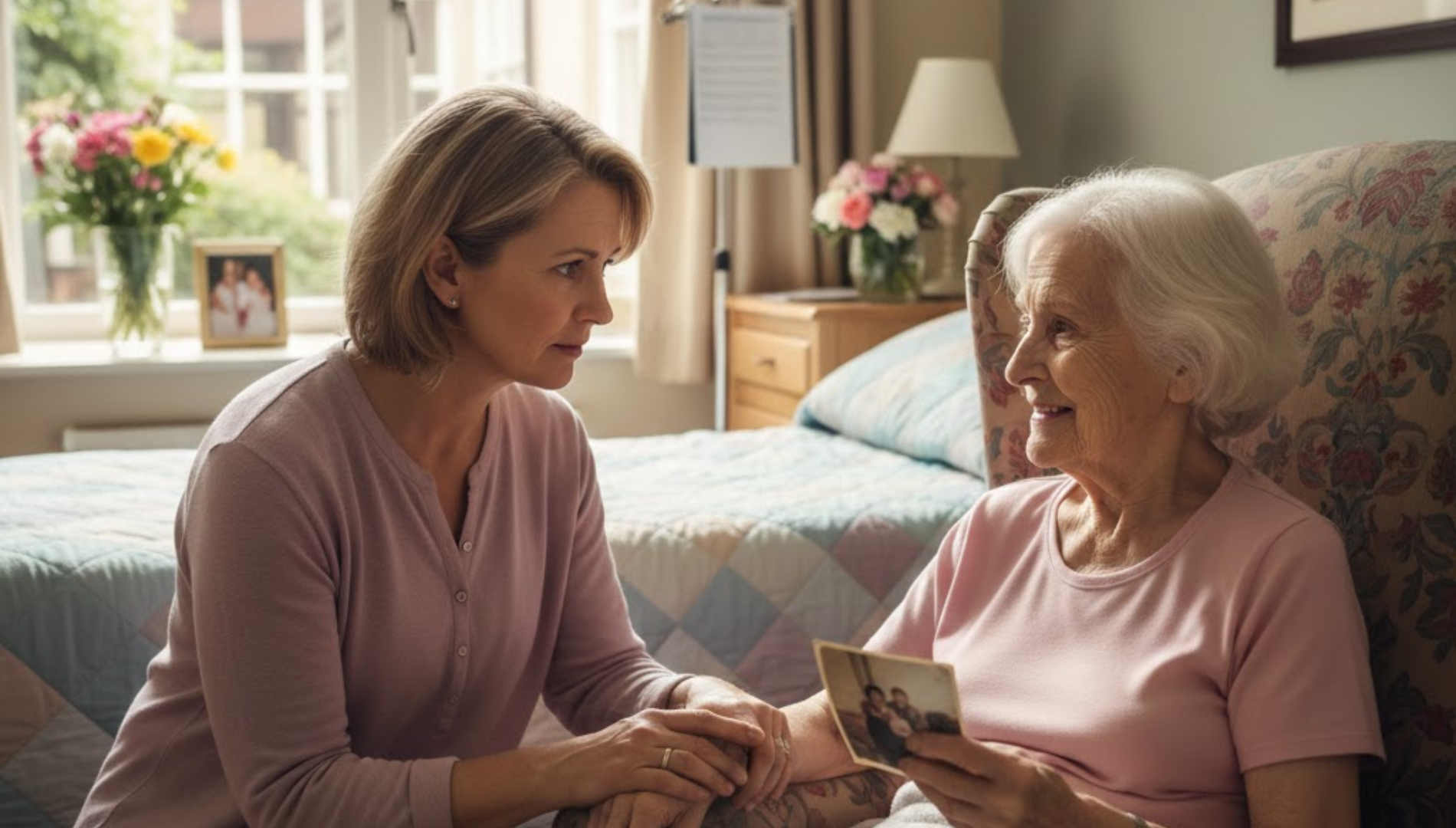
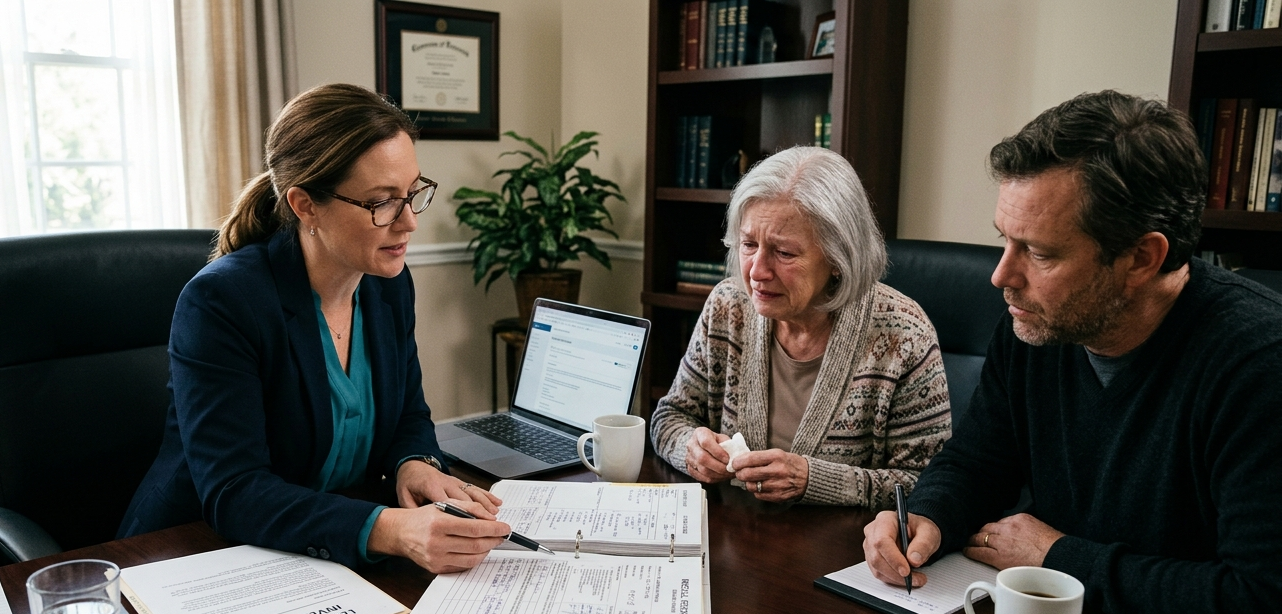
Realizing that a loved one may be experiencing abuse or neglect in a nursing home is one of the most distressing situations a family can face. Many families describe a mix of anger, guilt, fear, and confusion. You may notice changes that feel wrong but hesitate to act because you are unsure whether what you are seeing truly qualifies as abuse. We often hear families say, “I did not want to overreact,” or “I did not want to cause trouble if I was mistaken.” That hesitation is deeply human, but silence can allow harm to continue.
Nursing home abuse rarely begins with obvious or dramatic events. It often starts quietly, with small lapses in care, dismissive behavior, or subtle injuries that are explained away. Over time, those warning signs can escalate into serious neglect or intentional harm. Knowing how to report nursing home abuse in Chicago gives families a clear path forward when instincts tell them something is not right.
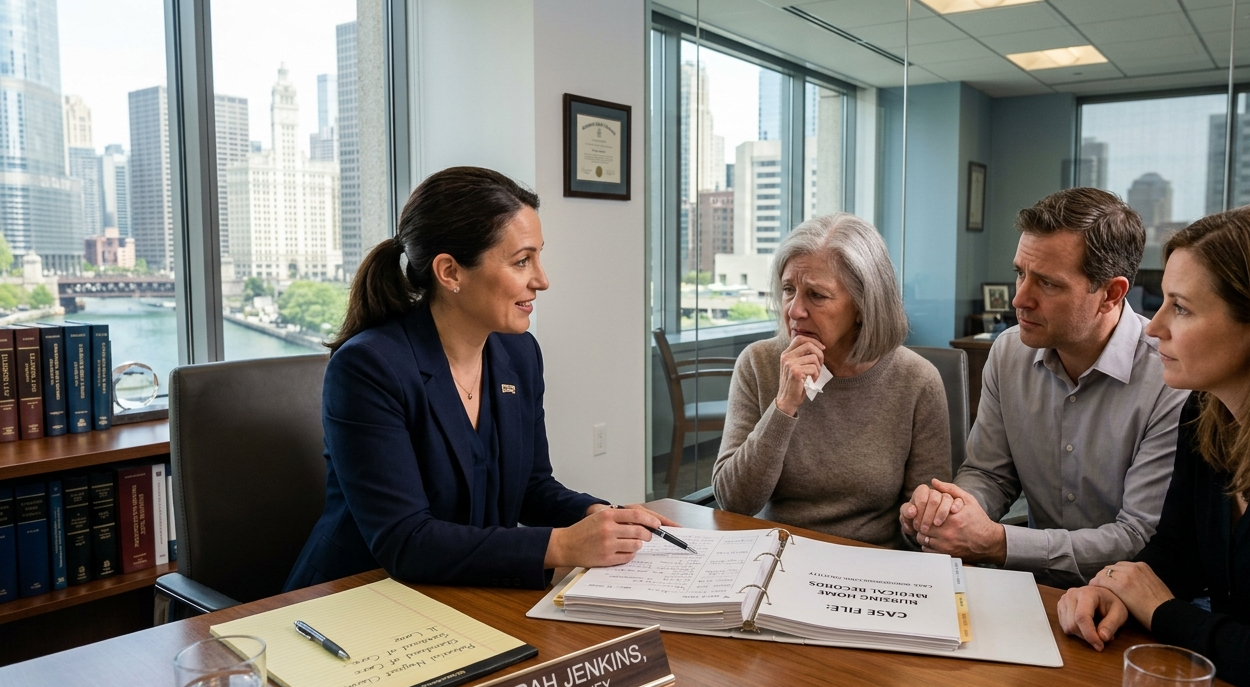
As a nursing home abuse attorney serving Chicago families, we have seen how powerful it can be when someone speaks up. Reporting abuse is not about punishment or retaliation. It is about protection, accountability, and ensuring that vulnerable residents receive the dignity and care they deserve. This guide explains exactly how to report nursing home abuse in Chicago, who investigates these complaints, and how a nursing home abuse attorney supports families through the process.
How Do You Report Nursing Home Abuse In Chicago?
To report nursing home abuse in Chicago, families should begin by documenting the suspected abuse and ensuring the resident’s immediate safety. Complaints involving nursing homes are reported to the Illinois Department of Public Health, often referred to as IDPH, which oversees nursing homes across the state. Reports can be submitted online or by phone and may be made by family members, residents, staff, or concerned visitors.
If the resident is in immediate danger, emergency services or local law enforcement should be contacted first. After safety concerns are addressed, families are strongly encouraged to consult a nursing home abuse attorney. A nursing home abuse attorney helps protect residents from retaliation, ensures reports are thorough, and advises families on next steps if the abuse continues or serious harm has occurred. Prompt reporting creates an official record and helps stop ongoing abuse before it worsens.
Reporting Nursing Home Abuse In Chicago
Chicago is home to a wide range of nursing homes, from small community-based facilities to large corporate-owned operations. While many provide quality care, others struggle with understaffing, high turnover, poor supervision, or inadequate training. These challenges can create environments where neglect or abuse goes unnoticed for long periods.
We have worked with families who initially raised concerns directly with facility administrators, only to see little or no improvement. In some cases, conditions worsened after internal complaints were made. A nursing home abuse attorney helps families understand when it is time to escalate concerns beyond the facility and into formal reporting channels. Knowing how the Chicago reporting system works helps families avoid delays and ensures complaints are taken seriously rather than quietly dismissed.
How Do I Report Nursing Home Abuse In Illinois?
In Illinois, the primary agency responsible for nursing home abuse complaints is the Illinois Department of Public Health. IDPH licenses nursing homes, conducts inspections, and investigates allegations of abuse and neglect. Complaints can be filed through the IDPH Nursing Home Complaint Hotline or through their online reporting system.
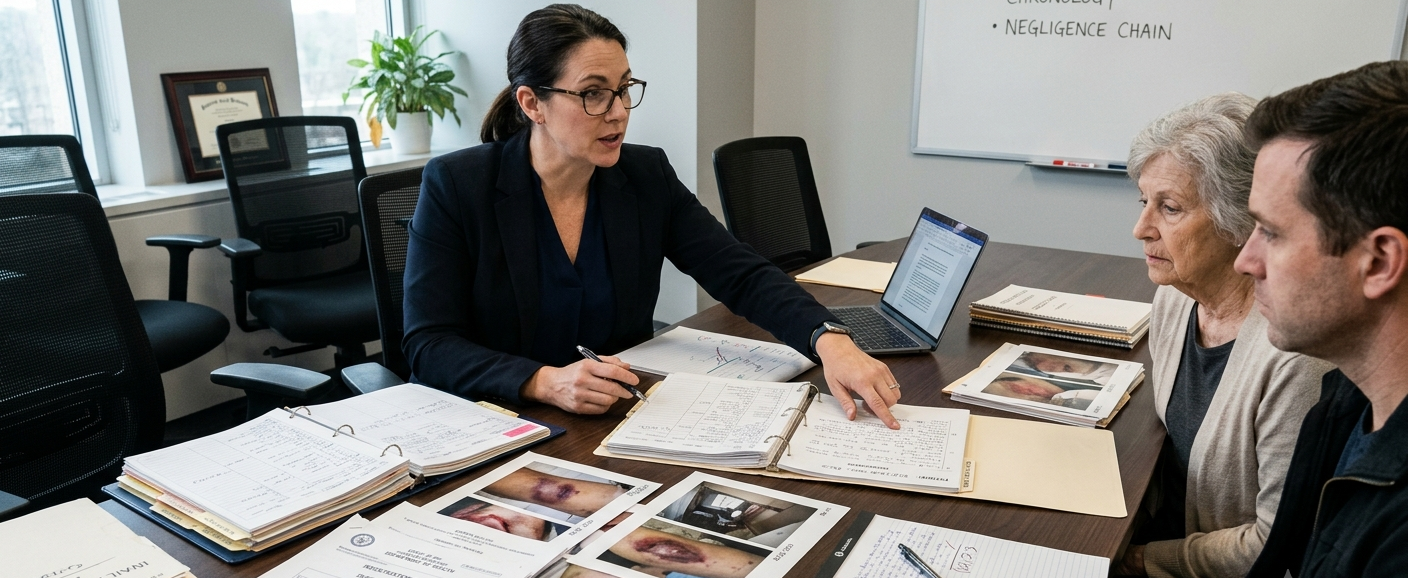
Before filing a report, families should gather as much information as possible. This may include photographs of injuries or unsafe conditions, written notes documenting incidents, copies of medical records, and dates and names associated with specific concerns. When submitting a complaint, it is important to include detailed information such as when the abuse occurred, who was involved, and how the resident was affected.
Reports can be made confidentially, and Illinois law prohibits retaliation against residents who are the subject of abuse reports. In situations involving immediate harm, families should contact emergency services first and then follow up with IDPH. Many families also choose to speak with a nursing home abuse attorney during this stage to ensure the report is accurate, complete, and handled appropriately.
Who Investigates Nursing Homes In Illinois?
The Illinois Department of Public Health is the primary agency responsible for investigating nursing home abuse and neglect. When a complaint is received, IDPH may conduct an unannounced inspection of the facility. Investigators can interview residents, family members, and staff, review medical and staffing records, and evaluate whether the nursing home complies with state and federal regulations.
In more serious cases, other agencies may become involved. Adult Protective Services may investigate situations involving vulnerable adults, while local law enforcement may step in if criminal conduct is suspected. The Illinois Attorney General’s office may also be involved in cases involving widespread or severe violations.
According to the National Institute on Aging, elder abuse investigations often involve multiple agencies working together to protect residents and prevent further harm.
While regulatory investigations can result in citations, fines, or corrective action plans, they do not provide compensation to victims. This is one reason families often turn to a nursing home abuse attorney after reporting abuse.
What Is The Biggest Complaint Regarding Nursing Homes?
Neglect is consistently the most common complaint involving nursing homes. Neglect often stems from chronic understaffing, where caregivers are responsible for too many residents at once. As a result, residents may not receive timely help with eating, bathing, mobility, or medication management.
Over time, neglect can lead to serious medical complications such as bedsores, dehydration, malnutrition, infections, and emotional decline. Families often notice signs like poor hygiene, unchanged bedding, strong odors, or residents appearing withdrawn or fearful. These issues are sometimes dismissed as normal aging, but they frequently indicate deeper systemic problems.
A nursing home abuse attorney helps families recognize when neglect rises to the level of abuse and when legal intervention is necessary to protect residents and hold facilities accountable.
What To Do Before You File A Report
Before filing a formal report, the first priority should always be your loved one’s safety. If injuries are present, request a medical evaluation immediately. In some cases, it may be appropriate to consider transferring the resident to another facility, either temporarily or permanently, to prevent further harm.
Documentation is critical. Take photographs, keep written notes, and save copies of any communication with nursing home staff. Avoid confronting caregivers in a hostile way, as this can sometimes lead to retaliation or evidence being concealed. Speaking with a nursing home abuse attorney before filing a report can help families approach the situation strategically and avoid common mistakes.
How A Nursing Home Abuse Attorney Helps After Reporting
Reporting abuse is an essential step, but it is often only the beginning. A nursing home abuse attorney helps families understand what happens after a report is filed and what options remain if the facility fails to improve conditions. Attorneys can review IDPH investigation findings, gather additional evidence, and determine whether the nursing home violated legal standards of care.
A nursing home abuse attorney also helps families pursue civil claims for harm caused by abuse or neglect. This may include compensation for medical expenses, pain and suffering, and emotional distress. Many families seek legal guidance at this stage to understand accountability and protect their loved one from further harm.
Common Fears Families Have About Reporting Abuse
Many families worry that reporting abuse will make things worse. They fear retaliation, reduced care, or being labeled as difficult. While these concerns are understandable, retaliation against residents is prohibited by law, and reporting often leads to increased oversight rather than punishment of the resident.
Another common fear is uncertainty about whether the situation truly qualifies as abuse. A nursing home abuse attorney helps families evaluate concerns objectively and determine whether reporting is appropriate. Trusting your instincts and asking questions early can prevent long-term harm.
Why Reporting Abuse Protects More Than One Resident
When abuse or neglect occurs in a nursing home, it rarely affects only one person. Understaffing, poor training, and lack of oversight often impact multiple residents. Reporting abuse not only protects your loved one but can also prevent harm to others who may be unable to speak up for themselves.
A nursing home abuse attorney understands how individual reports can uncover larger patterns of misconduct within a facility. Accountability improves conditions and sends a message that abuse will not be ignored.
When To Contact A Nursing Home Abuse Attorney
Families should consider contacting a nursing home abuse attorney as soon as abuse or neglect is suspected. Early legal involvement helps preserve evidence, protect residents, and guide families through reporting and investigation processes. Waiting too long can allow records to be altered, witnesses to forget details, or harm to continue unchecked.
A nursing home abuse attorney provides clarity during a confusing time and ensures families are not navigating the system alone.
Final Thought
Reporting nursing home abuse in Chicago can feel intimidating, but it is one of the most important actions a family can take. Speaking up protects your loved one and others who may be suffering in silence. Abuse and neglect should never be accepted as normal or unavoidable parts of nursing home care.
With clear information, careful documentation, and support from a nursing home abuse attorney, families can act confidently and compassionately. Your voice matters, and taking action can make a lasting difference.
If you are unsure how to report nursing home abuse or need guidance beyond filing a complaint,
contact a trusted nursing home abuse attorney at
Chicago Nursing Home Abuse Attorney. We are here to listen, explain your options, and help protect your loved one every step of the way.