Nursing Home Abuse in Chicago: Types, Warning Signs, and Legal Rights
Most families place a loved one in a nursing home with trust at the forefront. The expectation is simple and deeply human: safety, dignity, and proper care. No one imagines they will need to watch closely for signs of harm or neglect. Yet for many Chicago families, concerns begin quietly. A parent who suddenly seems fearful. Bruises that do not quite make sense. A noticeable decline that feels too fast to be explained by age alone.
At Chicago Nursing Home Abuse Attorney, we speak with families who struggle with uncertainty long before they reach out for help. They often question themselves, wondering if they are overreacting or misreading the situation. That hesitation is understandable. Nursing home abuse and neglect are rarely obvious at first, and facilities often have explanations ready.
If you are looking for guidance from a Chicago Nursing Home Abuse Law Firm, this article is designed to give you clarity. We will explain the different types of nursing home abuse, the warning signs families should never ignore, and the legal rights residents have under Illinois and federal law. Understanding these issues empowers families to act with confidence and protect the people they love.
Understanding Nursing Home Abuse In Chicago
Nursing home abuse in Chicago includes any action or failure to act that causes harm, distress, or serious risk to an elderly resident. Abuse may be physical, emotional, sexual, or financial, and it often overlaps with neglect, such as failing to provide adequate medical care, nutrition, hygiene, or supervision. Many cases develop over time rather than through a single event, making early signs easy to miss.
Warning signs include unexplained injuries, sudden behavioral changes, weight loss, poor hygiene, fear of staff members, and withdrawal from family interaction. Under Illinois law and federal regulations, nursing home residents have the right to live free from abuse and neglect. When facilities violate these rights, families may pursue legal action to seek accountability and compensation.
Working with a professional Chicago Nursing Home Abuse Law Firm helps families identify abuse, preserve evidence, and take action before further harm occurs. Early intervention protects residents and strengthens potential legal claims.
What Are Red Flags In A Nursing Home?
Red flags in a nursing home often appear as changes that do not have a clear explanation. Physical signs may include frequent bruising, repeated infections, bedsores, dehydration, or sudden weight loss. These issues may be dismissed as normal aging, but patterns matter. Injuries that recur or worsen deserve attention.
Behavioral changes are equally important. Residents who become withdrawn, anxious, depressed, or fearful may be responding to mistreatment. Sudden silence or reluctance to speak in front of staff can be a warning sign. Family members often notice these shifts first because they know their loved one’s baseline behavior.
Environmental clues also matter. Poor cleanliness, strong odors, unanswered call lights, and visibly overwhelmed staff can indicate systemic neglect. When questions are avoided or records feel incomplete, families should trust their instincts. A Chicago Nursing Home Abuse Law Firm can help families evaluate whether these red flags indicate a legal issue that requires action.
What Is Legally Defined As Abuse?
Legally, abuse is defined as any intentional or negligent act that causes harm or a serious risk of harm to a nursing home resident. This includes physical abuse, emotional abuse, sexual abuse, financial exploitation, and neglect. Neglect is especially common and often involves failures to provide basic care, such as proper nutrition, medication management, hygiene, or supervision.
Federal law protects residents through the Nursing Home Reform Act, which requires facilities to provide care that supports dignity, safety, and quality of life. Illinois law builds on these protections and allows residents and families to pursue claims when facilities fail to meet required standards.
According to the U.S. Department of Health and Human Services, elder abuse includes physical, emotional, sexual, and financial harm, as well as neglect, whether intentional or unintentional.
A professional Chicago Nursing Home Abuse Law Firm can review your situation, explain how the law applies, and outline next steps clearly.
Which Of The Following Are Signs That May Be Indicators Of Physical Abuse?
Physical abuse often leaves visible signs, but not always obvious ones. Common indicators include bruises, cuts, burns, fractures, or injuries in different stages of healing. Injuries that do not match the explanation given, or that appear repeatedly, are especially concerning.
Marks around the wrists, ankles, or torso may indicate improper restraints. Grip marks, finger-shaped bruises, or unexplained fractures should never be ignored. Residents may also flinch when touched, appear fearful around specific caregivers, or resist routine care.
Families sometimes hesitate to act because they fear retaliation or worry about being wrong. In reality, early reporting can prevent escalation and protect the resident. A Chicago Nursing Home Abuse Law Firm provides guidance grounded in experience and evidence, helping families take the right steps without unnecessary confrontation.
Types Of Nursing Home Abuse Families Should Know
Nursing home abuse takes many forms, and understanding each type helps families recognize problems sooner. Physical abuse involves hitting, pushing, improper restraint, or rough handling. Emotional abuse includes threats, humiliation, isolation, or verbal intimidation that causes fear or distress.
Sexual abuse involves any non-consensual sexual contact or exploitation. Financial abuse may include theft, misuse of funds, forged signatures, or pressure to change financial documents. Neglect occurs when basic needs are not met, whether due to understaffing, poor training, or indifference.
A Chicago Nursing Home Abuse Law Firm evaluates all forms of abuse, not just those that leave visible injuries. Comprehensive evaluation ensures no aspect of mistreatment is overlooked.
Why Professional Legal Representation Matters
Nursing home abuse cases are complex. They involve medical standards, regulatory requirements, corporate policies, and detailed documentation. Facilities often defend themselves aggressively, citing staffing challenges or medical conditions as excuses.
At Chicago Nursing Home Abuse Attorney, our team undergoes extensive training to handle these cases correctly. We understand how nursing homes operate, how records are kept, and how inspections and regulations work. This knowledge allows us to identify violations quickly and build strong cases that stand up to scrutiny.
Professional legal representation also ensures compliance with procedural requirements. Missing deadlines or mishandling evidence can weaken a case. A Chicago Nursing Home Abuse Law Firm manages these details so families can focus on their loved one’s well-being.
Why Chicago Families Must Stay Vigilant
Chicago has hundreds of long-term care facilities, ranging from well-run to dangerously understaffed. We have seen cases where cost-cutting measures led to unsafe staffing ratios and rushed care. In these environments, neglect often becomes routine rather than accidental.
Families who visit regularly and ask detailed questions often uncover problems sooner. Local experience also matters when pursuing legal action. Courts, regulators, and facility operators respond differently based on preparation and evidence.
As a Chicago Nursing Home Abuse Law Firm, Chicago Nursing Home Abuse Attorney understands local facilities, inspection processes, and enforcement patterns. This insight helps us advocate effectively and keep cases moving forward.
What Families Can Do If They Suspect Abuse
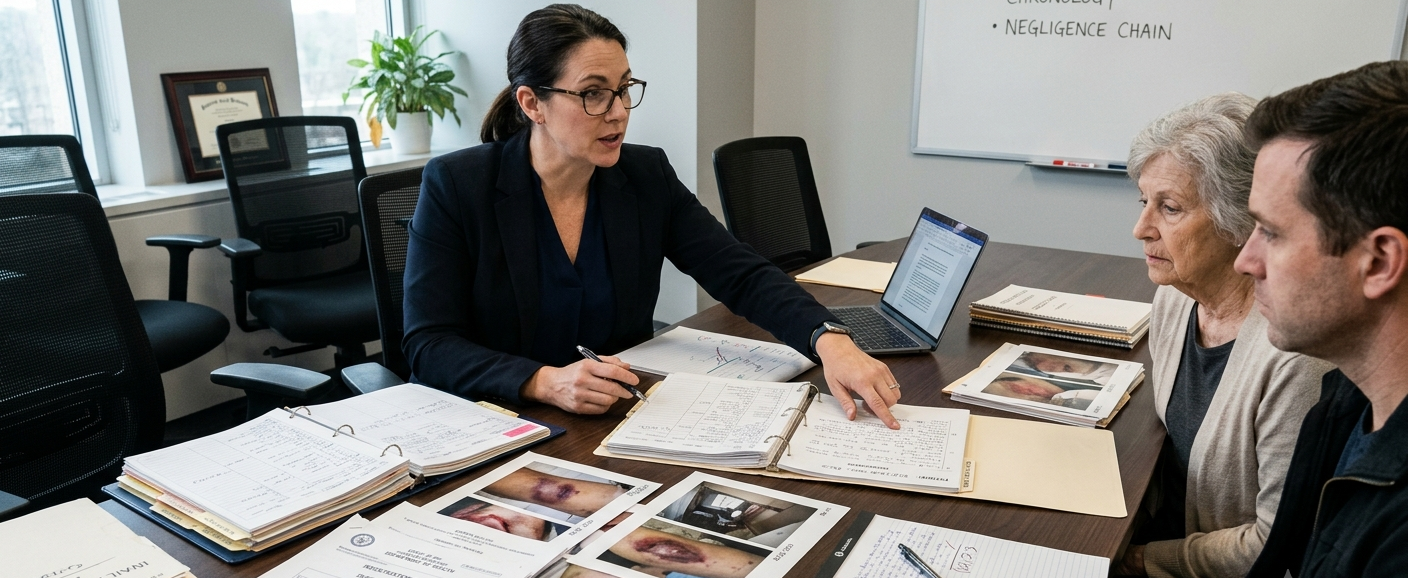
If you suspect abuse, start by documenting concerns. Take notes, photograph visible injuries when appropriate, and keep copies of medical records or incident reports. Communicate concerns in writing when possible so there is a record.
If immediate danger is present, contact authorities. Otherwise, speaking with a Chicago Nursing Home Abuse Law Firm early allows you to understand options before situations escalate. Early involvement often leads to better outcomes and faster intervention.
Understanding Your Legal Rights As A Family
Residents have the right to safe, respectful care. Families have the right to ask questions, access records, and seek accountability. Legal action is not about revenge. It is about protection, correction, and preventing further harm.
A professional Chicago Nursing Home Abuse Law Firm explains these rights clearly and helps families decide how to proceed without pressure.
Conclusion
Nursing home abuse is painful to confront, but ignoring warning signs rarely makes problems go away. Understanding the types of abuse, recognizing red flags, and knowing your legal rights empowers families to act decisively.
Trust your instincts. Ask questions. Document concerns. With the guidance of a professional Chicago Nursing Home Abuse Law Firm, families can protect loved ones and pursue accountability with confidence.
If you are concerned about a loved one’s treatment in a nursing home, we are here to help. Learn more about Chicago Nursing Home Abuse Attorney or contact a trusted Chicago Nursing Home Abuse Law Firm by visiting https://chicagoelderabuselaw.com/. Contact us today to discuss your concerns and take the next step toward protection and peace of mind.