What Is Nursing Home Abuse? Signs Families Can’t Afford to Miss
The Biggest Complaint About Nursing Homes
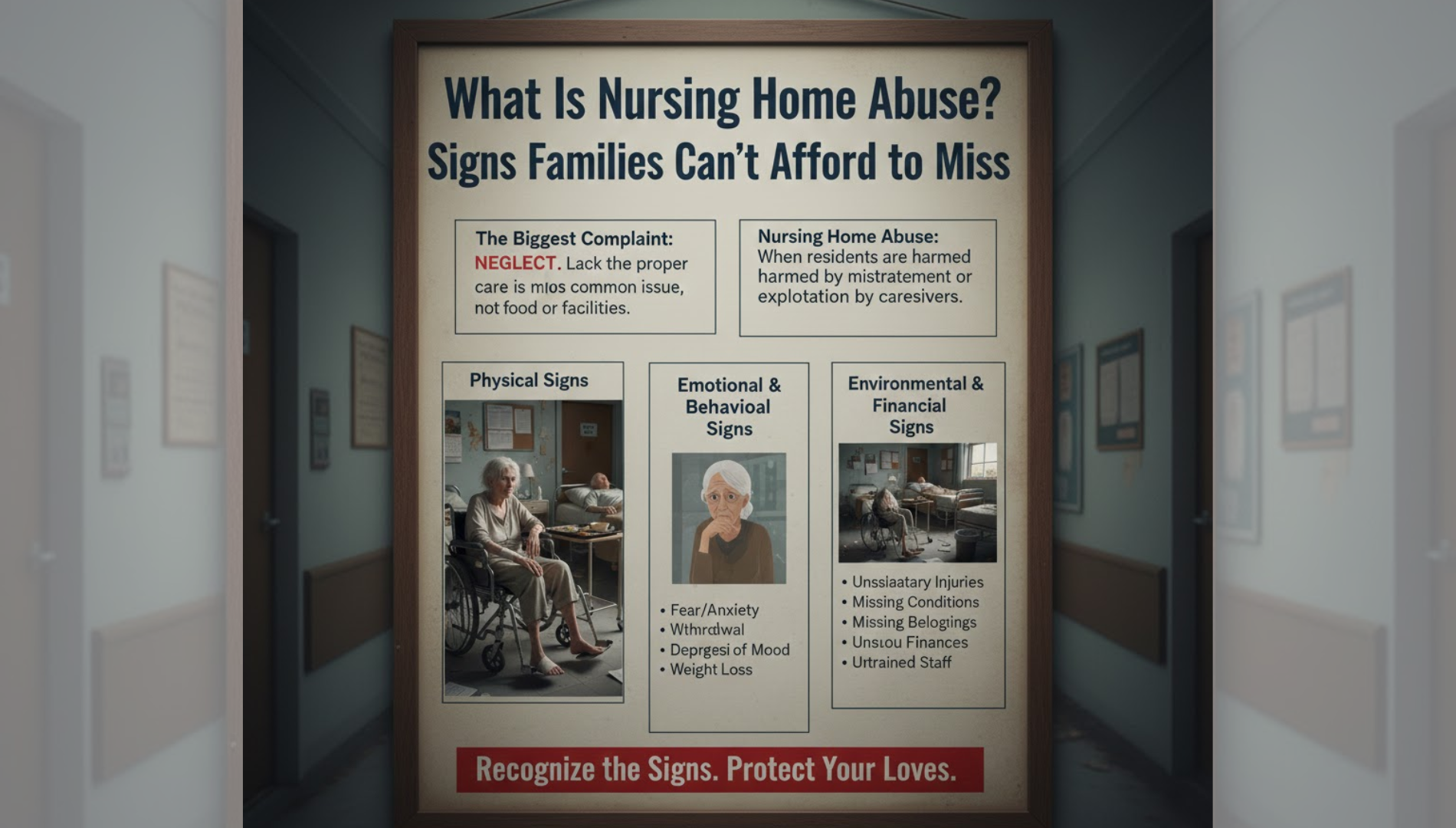
The most common complaint families have about nursing homes isn’t the food or the building. It’s neglect. Nursing home abuse happens when residents suffer harm from mistreatment, neglect, or exploitation by caregivers.
Recognizing the signs early helps protect your loved one’s safety and dignity before the situation worsens.
Understanding Nursing Home Abuse
Nursing home abuse means any action or failure to act that causes harm, distress, or loss to a resident. It can take many forms: physical, emotional, sexual, financial, or through neglect. Sadly, many cases go unreported because victims may fear retaliation or are unable to speak up.
According to the National Center on Elder Abuse (NCEA), roughly 1 in 6 older adults in care settings experience some form of abuse each year. This number may be even higher since many families don’t realize what’s happening until the damage is done. Abuse isn’t just about visible injuries; it includes emotional trauma, poor hygiene, and sudden personality changes.
Families trust nursing homes to provide care, respect, and safety. When that trust is broken, it’s not only a violation of duty but also a legal issue. Understanding what abuse looks like is the first step toward preventing it and protecting your loved one’s rights.
Common Types of Nursing Home Abuse
Nursing home abuse can appear in different ways, and not all of them leave visible marks. Knowing the main types helps families spot danger before it gets worse.
- Physical Abuse: This happens when staff or caregivers use force that causes injury or pain. Signs include bruises, cuts, broken bones, or the use of unnecessary restraints. Overmedication or rough handling can also count as physical abuse.
- Emotional or Psychological Abuse: Emotional abuse often happens behind closed doors. It includes yelling, threatening, humiliating, or ignoring residents. Victims may become withdrawn, anxious, or afraid of certain staff members.
- Neglect: Neglect is one of the most common forms of abuse. It occurs when caregivers fail to provide proper food, water, hygiene, medication, or medical care. Dirty bedding, weight loss, or untreated wounds are often warning signs.
- Financial Exploitation: Financial abuse can involve stolen money, forged checks, or misuse of a resident’s credit cards. Staff or outsiders may pressure seniors to sign documents or change financial accounts without permission.
- Sexual Abuse: This includes any unwanted sexual contact or behavior toward a resident, even if they cannot consent. Signs include unexplained injuries, sudden fear, or withdrawal.
The National Institute on Aging (NIA) notes that elder abuse often goes unreported because victims feel ashamed or fear losing their care. Recognizing these patterns can help families step in sooner and seek help.
Warning Signs Families Can’t Afford to Miss
Nursing home abuse can be subtle at first. Families who visit often are in the best position to notice changes in their loved one’s behavior, health, or surroundings.
Physical Warning Signs
- Unexplained bruises, cuts, or burns
- Sudden weight loss or dehydration
- Bed sores or pressure ulcers
- Frequent falls or repeated hospital visits
Behavioral and Emotional Changes
- Fear of certain staff members or residents
- Sudden mood swings, anxiety, or depression
- Refusing to speak when staff are present
- Acting withdrawn or confused for no clear reason
Environmental Clues
- Dirty rooms, soiled bedding, or bad smells
- Short-staffed shifts or neglectful care routines
- Staff members who avoid questions or block visits
Financial Red Flags
- Missing personal belongings or valuables
- Unexplained withdrawals from bank accounts
- Changes in wills or power of attorney documents
- Unpaid bills despite enough funds
If you notice even one of these signs, take it seriously. Many families regret waiting too long to act. Document everything, notes, dates, and photos, to help protect your loved one and support future legal action if needed.
What Are the Signs of Financial Abuse in the Elderly
Financial abuse in nursing homes is often overlooked because it doesn’t leave visible scars. Yet it can destroy a senior’s security and independence. Families should stay alert to the following warning signs.
Missing or Misused Money
If a resident’s wallet, jewelry, or personal items disappear, or if there are strange charges on their credit cards, it could be a sign of theft or fraud.
Unexplained Bank Activity
Look for sudden withdrawals, new joint accounts, or checks written to unfamiliar names. Sometimes staff or outsiders may gain access to financial information and misuse it.
Changes in Legal or Financial Documents
Be cautious if your loved one’s will, power of attorney, or bank authorizations change suddenly, especially if they seem confused or pressured.
Unpaid Bills or Cut Services
If bills go unpaid even though funds are available, someone may be intercepting or mismanaging their money.
New “Friends” or Caregivers
Abusers sometimes gain trust to manipulate seniors into giving gifts or money. Be alert to new relationships that seem controlling or secretive.
According to the Consumer Financial Protection Bureau (CFPB), older Americans lose billions every year to financial exploitation, often by people they know or trust. Watching for these signs early can prevent major losses and emotional harm. Discover what to keep in mind in the article Neglect vs. Abuse in Senior Care: How to Spot the Difference.
What to Do If You Suspect Nursing Home Abuse
If you believe something isn’t right, trust your instincts. Acting quickly can make all the difference in keeping your loved one safe.
1. Document Everything
Write down what you see, injuries, changes in mood, or poor living conditions. Take photos if possible. Record dates, times, and staff names. These details help build a clear picture of what’s happening.
2. Report the Problem
Tell the nursing home management about your concerns. If the issue isn’t taken seriously or you fear retaliation, contact your state’s Adult Protective Services or local law enforcement. Reporting is confidential and can stop ongoing harm.
3. Get Medical Care
If your loved one is injured or unwell, take them to a doctor or hospital right away. A medical report can confirm signs of neglect or abuse and serve as important evidence later.
4. Contact a Nursing Home Abuse Attorney
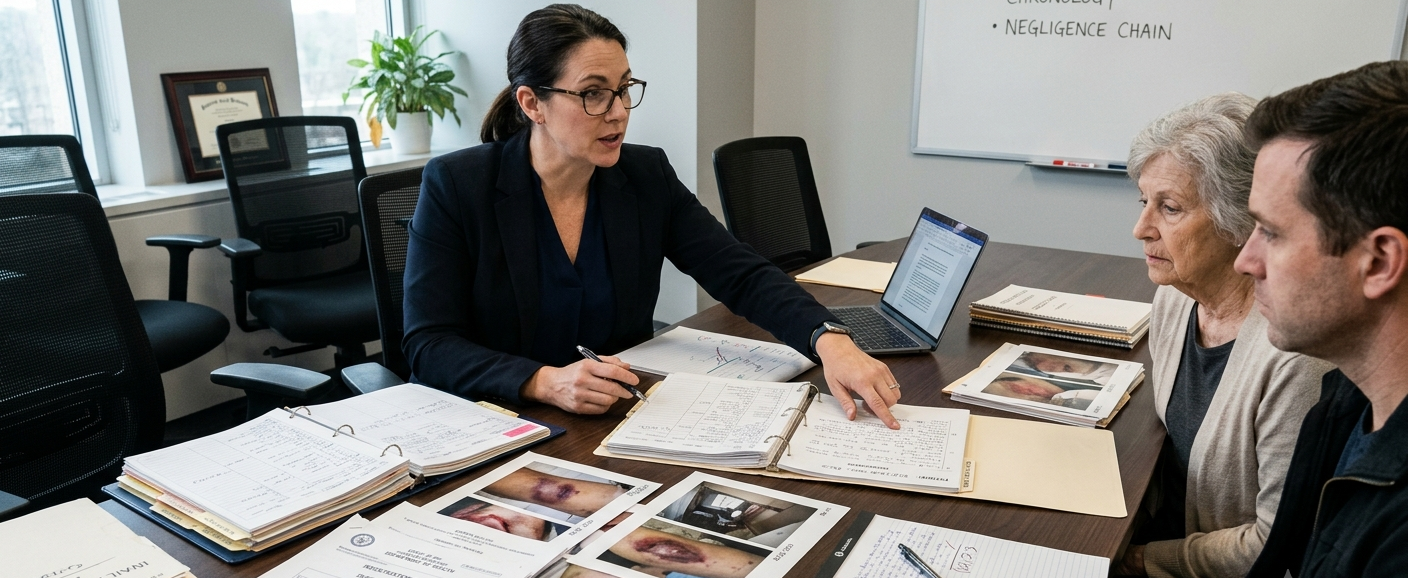
A nursing home abuse attorney can guide you through your legal options. They know how to investigate, gather evidence, and hold the facility accountable.
5. Compare and Get Quotes
It’s smart to speak with more than one attorney before deciding who to hire. Many law firms, including those in Chicago, offer free consultations and work on a contingency basis, meaning you don’t pay unless they win your case.
Reporting abuse is never easy, but taking action can protect not only your loved one but also others who may be suffering in silence.
Why Hiring a Nursing Home Abuse Attorney Matters
When families suspect abuse, emotions run high. But working with a skilled attorney can help bring clarity, justice, and peace of mind.
Investigating the Case
A nursing home abuse attorney knows how to gather evidence, interview witnesses, and review medical and facility records.
Understanding Elder Law
Elder abuse cases often involve complex state and federal laws. An experienced lawyer understands these rules and can use them to protect your loved one’s rights.
Stopping Ongoing Abuse
Legal action doesn’t just seek compensation. It can also help remove abusive caregivers and prevent other residents from suffering.
Securing Compensation
Families may be entitled to damages for medical costs, emotional distress, and pain and suffering.
According to the National Center on Elder Abuse, many victims never see justice because their families don’t take legal action soon enough. Reaching out to a trusted nursing home abuse attorney ensures that your case is handled with care and experience.
How to Choose the Right Nursing Home Abuse Lawyer
Finding the right attorney can make a big difference in how smoothly your case goes.
1. Check Experience: Look for attorneys who focus on nursing home and elder abuse cases.
2. Read Reviews and Case Results: Client reviews and case outcomes can reveal how a lawyer treats clients and handles cases.
3. Ask About Fees: Most nursing home abuse lawyers work on a contingency fee basis. Obtain quotes from multiple firms before making a decision.
4. Look for Compassion: A good lawyer listens carefully, explains your options clearly, and shows genuine concern.
5. Communication Is Key: Make sure the lawyer or their team keeps you updated regularly.
Choosing a nursing home falls attorney or nursing home bed sores lawyer who fits your needs can improve your experience and outcome.
Chicago Nursing Home Abuse Attorneys Who Care
When your loved one suffers in a place that’s supposed to protect them, it’s hard to know who to trust.
If you believe your family member has been hurt or neglected, reach out to a trusted nursing home abuse attorney. Our team of experienced Chicago Nursing Home Abuse Attorneys is dedicated to helping families seek justice and ensure their loved ones are treated with the respect they deserve.
You don’t have to face this alone. Contact us today for a free consultation and learn how we can help protect your loved one’s rights and hold negligent facilities accountable.
Final Thoughts
Nursing home abuse is one of the hardest things a family can face. It’s painful to imagine someone mistreating your loved one, but learning the signs and taking action can make a real difference.
Abuse can appear as physical harm, emotional trauma, or even financial exploitation. The key is to stay alert, visit often, and speak up if something feels wrong. Acting early can protect your loved one and others who may be silently suffering.
If you suspect any kind of abuse or neglect, don’t wait. Contact an experienced nursing home abuse attorney or a Chicago Nursing Home Abuse Attorney for guidance and support.
Every senior deserves safety, respect, and dignity. Taking action today can help create safer nursing homes for everyone.