What Legal Rights Do Nursing Home Residents Actually Have?

Every nursing home resident in the United States is legally protected by both federal and state laws that guarantee their right to dignity, safety, and quality care. These rights ensure that older adults receive compassionate treatment and are free from neglect or abuse while living in long-term care facilities.
Unfortunately, many families are unaware of what those rights actually are, or how to take action when they’re violated. Whether it’s improper medical care, emotional neglect, or preventable bedsores, every form of mistreatment is a breach of both trust and law.
If you suspect a loved one’s rights are being ignored, experienced Chicago nursing home bed sores lawyers can help you understand the law and protect your loved one’s well-being.
Understanding Nursing Home Residents’ Rights
In 1987, the Nursing Home Reform Act was passed as part of the Omnibus Budget Reconciliation Act (OBRA). This federal law established the foundation of nursing home residents’ rights nationwide.
The law requires nursing homes to maintain or improve each resident’s physical, mental, and emotional health. Facilities that receive Medicare or Medicaid funding must comply with these standards, or face penalties and legal action.
What Is the Biggest Complaint in Nursing Homes?
The most common complaint among nursing home residents and their families is neglect, especially in the form of poor personal care and untreated bedsores.
Bedsores, also known as pressure ulcers, occur when a resident remains in one position for an extended period without being repositioned. They are often a direct sign of staff negligence or chronic understaffing. Left untreated, bedsores can lead to severe infections, sepsis, or even death. Want details? Read Protecting Seniors: Proven Ways to Reduce Fall Risks in Nursing Homes.
Other frequent complaints include:
- Unanswered call lights or delayed assistance
- Poor hygiene or cleanliness
- Insufficient food or hydration
- Medication errors
- Emotional abuse or disrespectful treatment
If you notice any of these warning signs, contact a nursing home abuse attorney immediately. These are not just quality-of-life concerns, they may be violations of residents’ legal rights.
What Does the Resident Have the Right to Refuse?
One of the most important legal rights nursing home residents have is the right to refuse medical treatment. Under the Nursing Home Reform Act, residents have full authority to make decisions about their own healthcare, including the right to:
- Refuse medications or medical procedures.
- Decline physical or chemical restraints.
- Choose their own doctor or pharmacist.
- Participate in or refuse medical resear.ch
Even if a resident’s decision conflicts with medical advice, staff must respect it, unless it poses an immediate danger to the resident or others.
Residents also have the right to informed consent, which means they must be informed of the risks, benefits, and alternatives to any proposed treatment.
If you suspect your loved one’s medical choices are being ignored or overridden, contact Chicago nursing home bed sores lawyers for help.
How Are Residents Informed of Their Rights?
By law, every nursing home is required to inform residents of their rights in writing upon admission and again if those rights change.
According to the Centers for Disease Control and Prevention (CDC), facilities must communicate this information in a language and format residents understand. This includes providing translated materials or interpreters for non-English speakers.
Key rights that must be communicated include:
- The right to privacy and personal possessions
- The right to medical records and information
- The right to be treated with dignity and respect
- The right to file complaints without retaliation
- The right to participate in social and community activities
Nursing homes must also display a copy of residents’ rights in a public, accessible location for residents and families to review.
How to Protect the Dignity of a Resident
Protecting a resident’s dignity isn’t just a moral responsibility, it’s a legal requirement. Every nursing home resident has the right to be treated with respect as an individual, not just as a patient.
Here are key ways to uphold that dignity:
1. Respect Privacy
Staff should always knock before entering rooms and allow privacy during bathing, dressing, or medical exams.
2. Encourage Independence
Residents should have the freedom to make choices about what to wear, when to eat, and how to spend their day.
3. Maintain Personal Appearance
Helping residents stay groomed and clean promotes confidence and self-worth.
4. Support Social Interaction
Loneliness can be as damaging as physical neglect. Encouraging regular family visits and social activities helps maintain emotional well-being.
5. Prevent Neglect and Abuse
Ignoring a resident’s needs, such as failing to treat bedsores or infections, violates their dignity and safety. Families should contact nursing home bed sores lawyers if neglect is suspected.
Dignity in care means recognizing that every resident deserves compassion, respect, and a voice in their daily life.
Additional Legal Rights of Nursing Home Residents
Beyond medical autonomy and dignity, residents are legally protected in many other ways:
1. Right to Freedom from Abuse and Neglect
Residents are entitled to live in an environment free from physical, emotional, or financial abuse. Any form of mistreatment, verbal threats, bodily harm, or unnecessary restraints is illegal.
2. Right to Participate in Care Decisions
Residents must be involved in decisions about their care, treatments, and medications. They may also designate a representative to act on their behalf in the event of incapacity.
3. Right to Financial Transparency
Facilities must provide clear billing statements and cannot charge residents for services covered by Medicare or Medicaid. Misuse of funds is a form of financial exploitation.
4. Right to Visitors and Communication
Residents have the right to receive visitors and communicate privately with them. Nursing homes that restrict visits without valid medical reasons may be violating federal law.
5. Right to File Complaints Without Retaliation
Residents and families have the right to voice concerns or file complaints without fear of punishment or eviction.
How Families Can Help Protect These Rights
Even with strong laws in place, rights violations still occur, often due to understaffing, lack of training, or facility mismanagement. Families play a critical role in prevention.
Here’s how you can help:
- Visit regularly and at different times of day.
- Ask questions about care plans, medications, and routines.
- Document any signs of injury, neglect, or emotional changes.
- Maintain open communication with caregivers and administrators.
- Report concerns to Adult Protective Services or local authorities.
- Seek help from a nursing home abuse attorney to ensure accountability.
Your involvement can make all the difference in keeping your loved one safe and respected.
When to Contact Nursing Home Bed Sores Lawyers
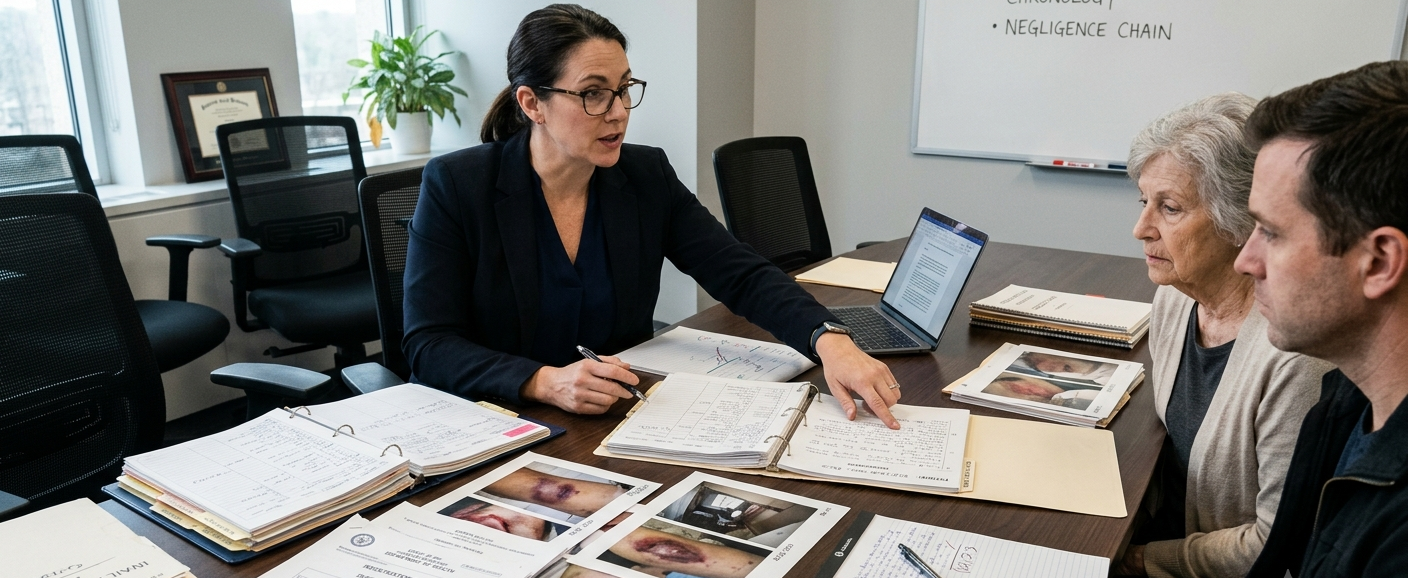
If your loved one has developed bedsores, malnutrition, or unexplained injuries, these are clear red flags of neglect.
Chicago nursing home bed sores lawyers specialize in investigating these cases, identifying violations, and holding negligent facilities accountable. They can:
- Review medical and facility records.
- Interview staff and witnesses.
- Determine whether neglect or abuse occurred.
- File claims for damages, medical costs, and pain and suffering.
Bedsores are among the most preventable injuries in nursing homes. Their presence is often proof that a facility failed to provide proper care. Taking legal action not only protects your loved one but also helps prevent future neglect of others.
Call to Action
Every nursing home resident deserves dignity, safety, and compassionate care. If you believe your loved one’s rights have been violated, or they’ve suffered neglect, abuse, or preventable injuries, don’t wait to act.
Contact a trusted Chicago Nursing Home Abuse Attorney today for a free consultation. They can help you investigate the situation, protect your loved one’s rights, and pursue justice.