Nursing Home Falls in Chicago: Who Is Liable?
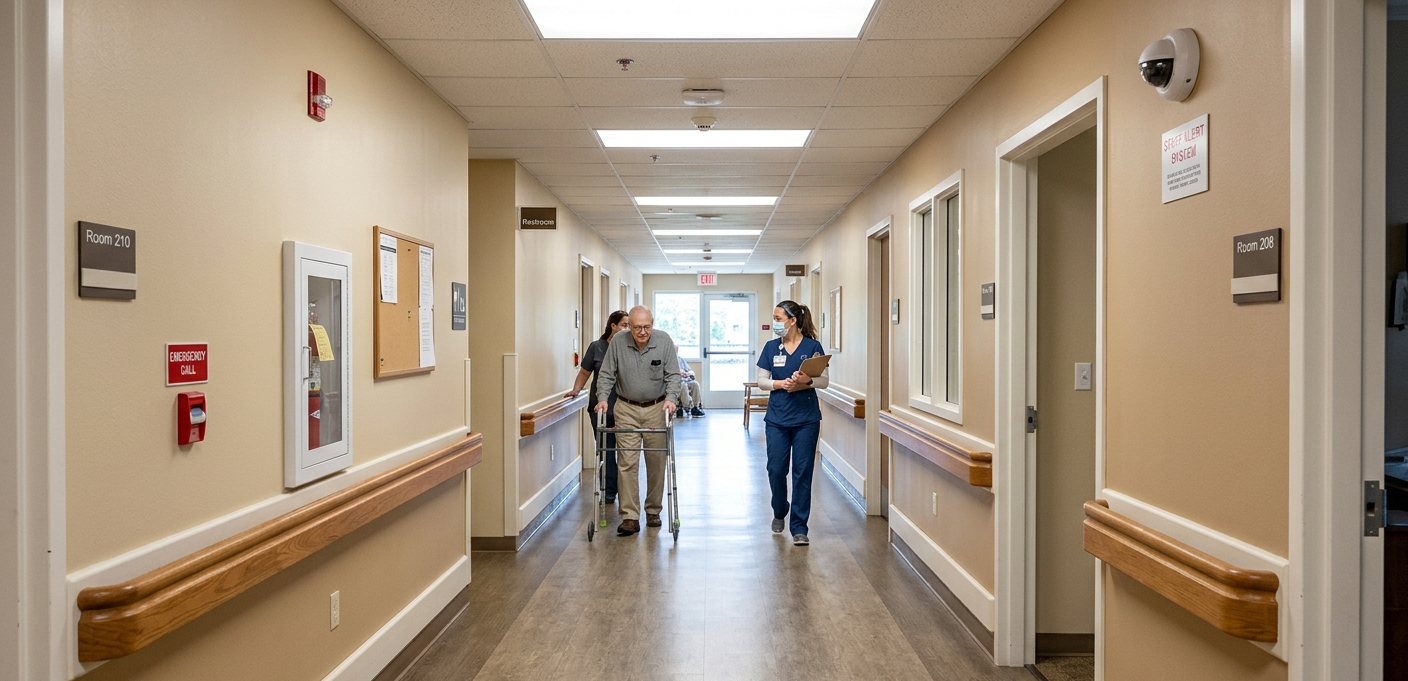
A single fall can change everything for an elderly nursing home resident. What may seem like a simple accident can quickly lead to broken bones, head injuries, loss of mobility, hospitalization, or long term complications that permanently affect quality of life. Many families are left wondering whether the fall could have been prevented and whether the nursing home failed to provide proper supervision or care.
Falls remain one of the most serious safety concerns inside nursing homes because elderly residents often face balance issues, limited mobility, medication side effects, or cognitive conditions that increase fall risk. Facilities are expected to recognize those risks and take reasonable precautions to protect residents from preventable injuries. Understanding liability after a fall can help families determine whether negligence may have contributed to the incident and when speaking with a
Chicago nursing home falls attorney may become necessary.
What If Someone Is A Fall Risk At A Nursing Home?
When a nursing home resident is identified as a fall risk, the facility is expected to take reasonable precautions to help reduce the likelihood of injury. Nursing homes should regularly evaluate residents for mobility limitations, balance problems, cognitive impairments, medication side effects, and a history of falls. Once staff members identify a resident as high risk, safety measures should generally be implemented to reduce the chance of preventable accidents. Families often speak with a Chicago nursing home falls attorney after discovering that those precautions may not have been followed properly.
Fall prevention strategies may include frequent monitoring, mobility assistance, bed or chair alarms, non slip footwear, environmental safety adjustments, and individualized care plans. Proper staffing and supervision are also critical because elderly residents often require assistance with walking, transferring, or using restroom facilities safely. A Chicago nursing home falls attorney may review whether the nursing home recognized known fall risks and whether proper supervision measures were actually followed before the incident occurred.
Not every nursing home fall automatically proves negligence. However, repeated falls, ignored medical conditions, poor supervision, understaffing, or failure to follow care plans may all raise serious concerns. At
Chicago Nursing Home Abuse Attorney, we often help families evaluate whether a resident’s fall could have been prevented if proper safety procedures had been consistently followed by staff throughout the facility.
Is It The Nurse's Fault If A Patient Falls?
Determining fault after a nursing home fall depends heavily on the specific circumstances surrounding the incident. In some situations, responsibility may involve individual caregivers, nursing staff, facility administrators, understaffing problems, or failures in overall safety procedures. Families often consult a Chicago nursing home falls attorney because liability may extend beyond a single employee and involve broader facility wide negligence.
A nurse may not be personally responsible if larger operational failures contributed to unsafe conditions within the facility. However, concerns may arise when staff members ignore known fall risks, fail to respond to alarms, neglect supervision responsibilities, or fail to follow documented care plans. A Chicago nursing home falls attorney will often examine staffing records, care documentation, incident reports, and communication logs to determine whether negligence may have contributed to the resident’s injuries.
In many cases, nursing homes attempt to describe serious falls as unavoidable accidents without fully explaining what safety measures were in place beforehand. At Chicago Nursing Home Abuse Attorney, we help families review whether proper protocols were followed before and after a resident’s fall and whether the nursing home met accepted standards of care for vulnerable residents.
What Are The 4 Things To Prove Negligence?
Most nursing home negligence cases involve four key legal elements: duty of care, breach of duty, causation, and damages. A nursing home owes residents a legal duty to provide reasonable care and supervision based on their health conditions and safety needs. Families often contact a Chicago nursing home falls attorney when they suspect a facility failed to meet those responsibilities before a serious fall occurred.
A breach of duty occurs when the nursing home fails to meet accepted standards of care. This may involve inadequate supervision, ignored medical conditions, understaffing, failure to follow care plans, or unsafe environmental conditions inside the facility. A Chicago nursing home falls attorney may investigate whether the facility knew the resident faced an elevated risk of falls and whether proper preventive measures were consistently implemented.
The third and fourth elements involve causation and damages. Families must show that the nursing home’s failures directly contributed to the resident’s injuries and that measurable harm occurred as a result. Injuries may include fractures, head trauma, hospitalization, emotional distress, loss of mobility, or increased medical expenses. According to the
Centers for Medicare & Medicaid Services, nursing homes are required to help residents maintain the highest practicable level of safety and well being.
Can A Nursing Home Kick You Out For Non Payment In Illinois?
Illinois nursing homes may begin discharge procedures for non payment under certain legal conditions, but strict state and federal protections still apply. Residents generally cannot be removed abruptly without proper written notice, discharge planning, and safe transfer arrangements. Families dealing with discharge concerns sometimes seek guidance from a Chicago nursing home falls attorney when legal questions arise alongside injury or negligence concerns.
Facilities must follow legal procedures carefully when initiating discharge processes. Improper discharges may place elderly residents at serious risk, especially when medical care, supervision, or mobility limitations remain unresolved. A Chicago nursing home falls attorney may help families understand resident protections and review whether discharge notices comply with Illinois and federal regulations.
Families already dealing with a serious nursing home fall often experience enormous emotional stress while trying to navigate medical concerns, billing issues, and facility communication problems simultaneously. At Chicago Nursing Home Abuse Attorney, we understand how overwhelming these situations may become for families trying to protect vulnerable loved ones during difficult circumstances.
What Is The Protocol When Someone Falls?
After a nursing home resident falls, staff members should immediately assess injuries and provide emergency medical attention if needed. Facilities are generally expected to notify medical professionals, document the incident carefully, inform family members promptly, and review the resident’s care plan to determine whether additional precautions are necessary moving forward. Families often consult a Chicago nursing home falls attorney when these procedures appear delayed, incomplete, or inconsistent.
Incident reports and medical documentation become especially important after serious falls involving fractures, head injuries, or repeated incidents. Nursing homes should investigate the cause of the fall and whether staffing issues, supervision failures, environmental hazards, or ignored medical risks contributed to the injury. A Chicago nursing home falls attorney may review these records carefully to determine whether negligence may have been involved.
Many families become frustrated when communication from the nursing home feels vague or incomplete following a serious fall. At Chicago Nursing Home Abuse Attorney, we often advise families to request copies of incident reports, medical records, and care documentation promptly after a fall occurs, as early documentation may become extremely important later.
What Happens If An Elderly Person Keeps Falling At Home?
Repeated falls in elderly individuals may indicate underlying health problems that require medical evaluation and additional support. Common causes may include mobility decline, neurological conditions, medication side effects, muscle weakness, poor balance, vision problems, or unsafe environmental conditions. Families sometimes contact a Chicago nursing home falls attorney after repeated falls occur inside care facilities despite known safety risks and documented mobility concerns.
Frequent falls significantly increase the risk of fractures, head injuries, hospitalization, and long term complications for elderly residents. Nursing homes are expected to recognize these risks and adjust supervision plans accordingly when residents demonstrate increased fall vulnerability. A Chicago nursing home falls attorney may examine whether the facility adjusted care plans appropriately after previous falls or documented warning signs.
Many residents who experience multiple falls were already classified as high risk before serious injuries occurred. At Chicago Nursing Home Abuse Attorney, we help families review whether nursing homes properly responded to escalating fall concerns and whether preventative measures were consistently followed over time. To learn more, you can read
How Long Do You Have to Report Abuse in a Nursing Home.
What Is The Best Thing To Do First When An Elderly Person Falls?
The first priority after an elderly person falls is checking carefully for serious injuries before attempting to move them. Families and caregivers should remain calm, check for pain, bleeding, confusion, or visible injuries, and contact emergency services if necessary. Head injuries are especially serious for elderly individuals because symptoms may not appear immediately after the incident. Families often contact a Chicago nursing home falls attorney after discovering delayed medical responses or inadequate evaluations following a nursing home fall.
Residents should generally avoid sudden movement if fractures, spinal injuries, or head trauma are suspected. Prompt medical evaluation is important because even seemingly minor falls may create serious complications for elderly individuals with fragile health conditions. A Chicago nursing home falls attorney may later review whether the nursing home responded appropriately after the incident and whether delays in care contributed to worsening injuries.
We recently spoke with a Chicago family whose mother experienced multiple falls over several months inside a nursing facility. Staff reportedly classified each event as an isolated accident, but the family later discovered she had already been identified as a high fall risk because of balance problems and medication side effects. Despite those concerns, supervision protocols were reportedly inconsistent, and preventative measures were not always followed consistently throughout the facility.
Additional Warning Signs Families Should Watch For
After a nursing home fall, families should pay close attention to warning signs that may indicate broader safety or negligence concerns within the facility. Delayed incident reporting, unexplained bruises, repeated falls, sudden behavioral changes, poor communication from staff, missing medical documentation, or signs of understaffing may all indicate broader problems. Families often speak with a Chicago nursing home falls attorney after noticing patterns of neglect rather than isolated incidents alone.
Repeated falls involving the same resident may suggest the nursing home failed to adjust supervision levels or modify care plans after earlier warning signs appeared. In some situations, facilities may minimize injuries or provide incomplete explanations regarding how the incident occurred. A Chicago nursing home falls attorney may help families investigate whether staffing shortages, ignored risks, or communication failures contributed to unsafe conditions inside the nursing home.
At Chicago Nursing Home Abuse Attorney, we understand how difficult it can be for families trying to determine whether a loved one’s injuries resulted from unavoidable circumstances or preventable negligence. Many families feel overwhelmed after learning their loved one experienced repeated falls despite documented risk factors and known supervision needs.
Conclusion
Nursing home falls can have devastating physical and emotional consequences for elderly residents and their families. While some falls may occur despite reasonable precautions, others may result from inadequate supervision, unmanaged medical conditions, understaffing, or failure to follow proper fall-prevention procedures. Understanding who may be legally responsible often requires reviewing whether the nursing home recognized known fall risks and whether reasonable safety measures were actually implemented.
Families deserve clear answers when serious injuries occur under a nursing home’s care. Speaking with a Chicago nursing home falls attorney may help families better understand negligence concerns, liability questions, and legal options following a preventable nursing home injury.
At Chicago Nursing Home Abuse Attorney, we understand how emotional and confusing these situations can feel for families trying to protect vulnerable loved ones. If your family has concerns about a serious nursing home fall in Chicago,
contact us today to learn more about your legal options and protecting your loved one’s rights.
Follow our social media pages below: