How Bed Sores Can Lead to Serious Injury or Death
For many families, discovering bed sores on a loved one inside a nursing home is both shocking and heartbreaking. What may begin as minor skin irritation can quickly become a severe wound that causes infection, pain, emotional suffering, hospitalization, and potentially life threatening complications. Many families do not realize how dangerous pressure ulcers can become until the condition has already progressed significantly.
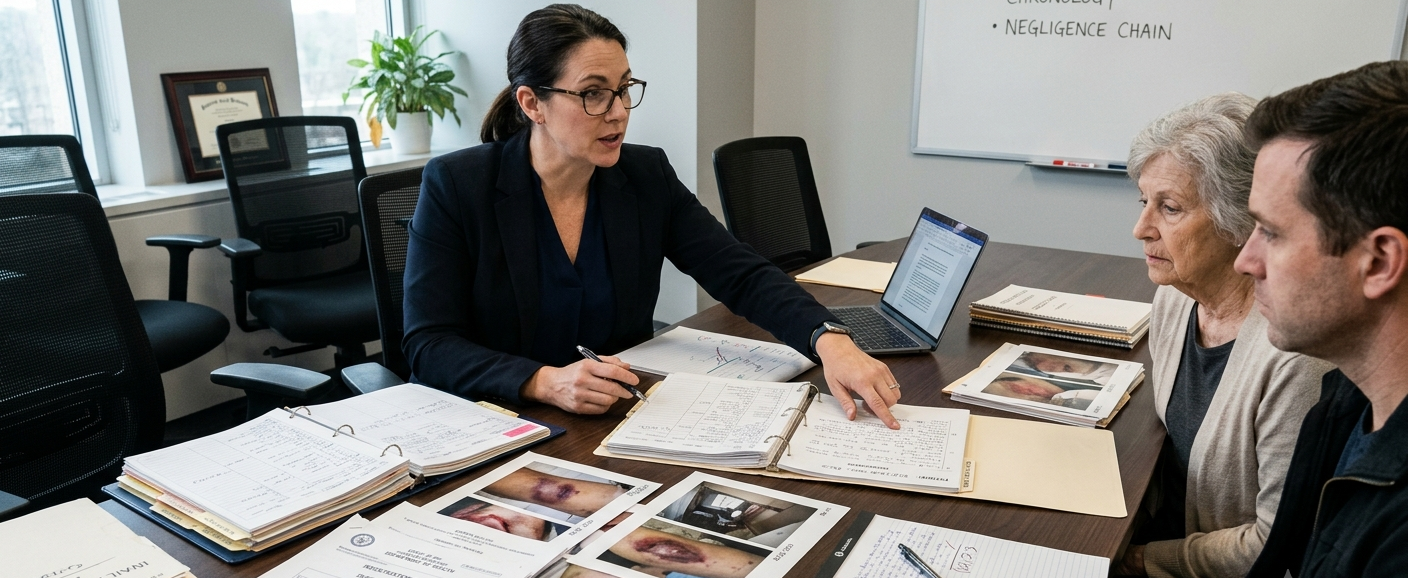
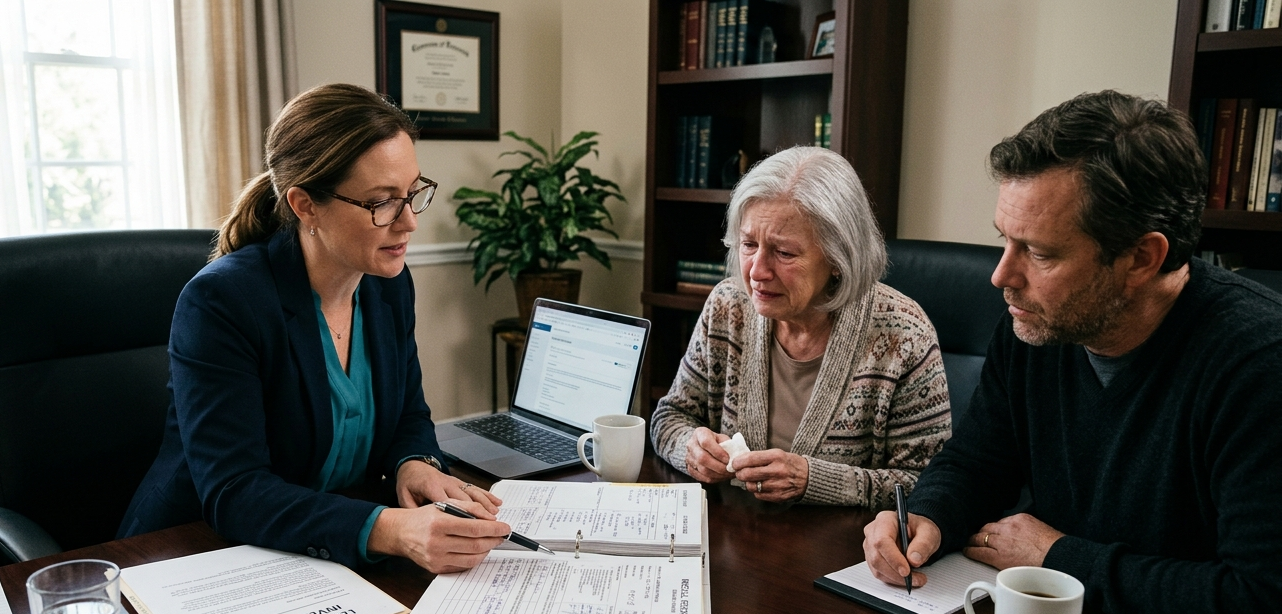
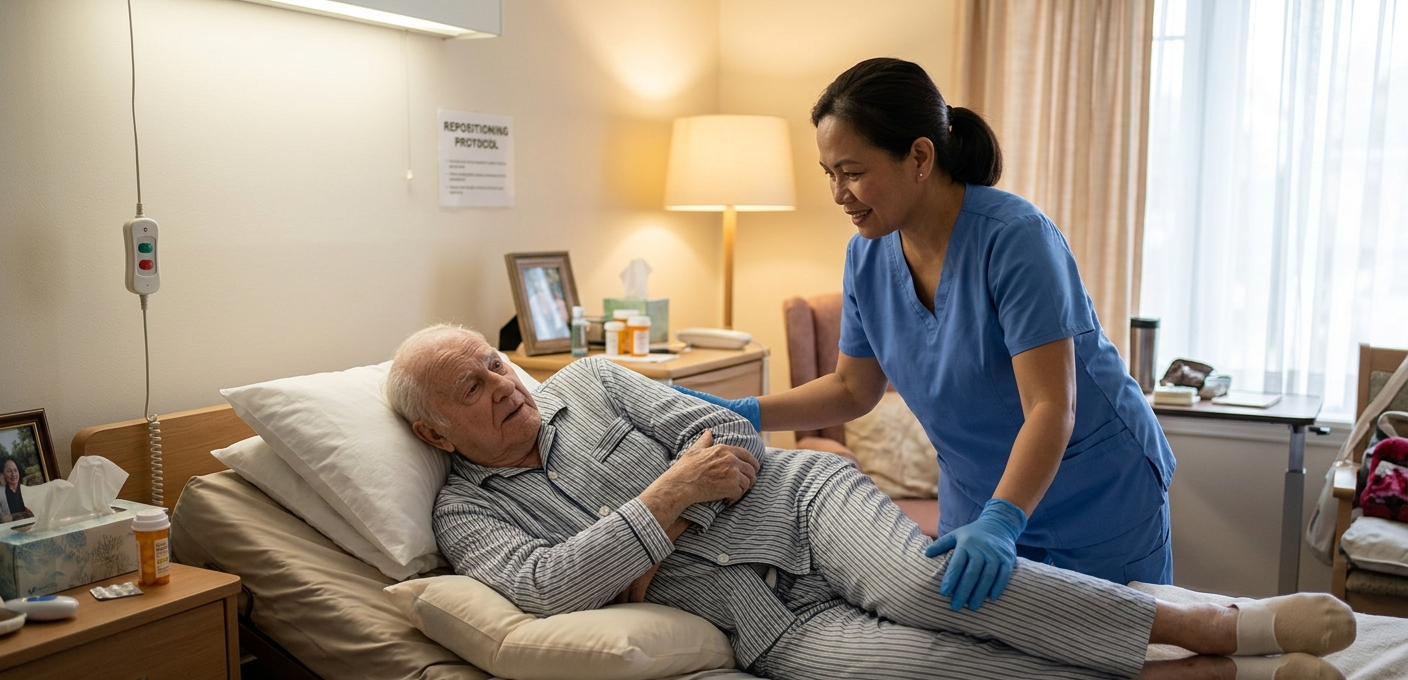
In many situations, bed sores are preventable when nursing home residents receive proper repositioning, hygiene care, nutrition, and medical attention. When those basic standards break down, vulnerable residents may suffer devastating harm. Families who begin questioning whether neglect contributed to a loved one’s injuries often seek guidance from
Chicago nursing home bed sores lawyers to better understand accountability, negligence, and legal options after serious nursing home injuries occur.
Can Severe Bedsores Lead To Death?
Yes, severe bed sores can absolutely become life threatening if they are not treated properly. Bed sores, also called pressure ulcers or pressure injuries, develop when prolonged pressure restricts blood flow to the skin and deeper tissue. As the condition worsens, tissue begins breaking down and open wounds may develop. Families frequently contact Chicago nursing home bed sores lawyers after discovering a loved one’s wounds became dangerously infected inside a nursing facility.
Advanced bed sores may lead to serious infections, tissue death, bone infections, sepsis, hospitalization, and other severe complications. Sepsis is especially dangerous because infections may spread into the bloodstream and affect major organs throughout the body. Elderly nursing home residents often face elevated risks because many already struggle with weakened immune systems, poor circulation, limited mobility, or chronic health conditions. Chicago nursing home bed sores lawyers often investigate whether facilities failed to recognize early warning signs before the condition progressed dangerously.
Bed sores may also contribute to emotional distress, severe pain, nutritional decline, and reduced quality of life. In some situations, the physical stress caused by advanced wounds and infections accelerates overall medical decline significantly. At Chicago Nursing Home Abuse Attorney, we regularly speak with families who trusted facilities to monitor vulnerable residents carefully but later discovered serious pressure ulcers had developed over time without proper intervention or treatment.
What Are The Dangers Of Bed Sores?
Bed sores can create a wide range of severe medical complications for elderly nursing home residents. Potential risks include serious infections, tissue destruction, chronic pain, bone infections, reduced mobility, emotional trauma, and increased hospitalization risk. Families often contact Chicago nursing home bed sores lawyers after learning how quickly untreated pressure ulcers may escalate into dangerous medical emergencies.
As pressure ulcers worsen, they become increasingly difficult to treat and may require aggressive wound care, surgery, hospitalization, or long term infection management. Residents suffering from severe bed sores frequently experience reduced quality of life because movement, hygiene care, and basic daily activities become painful and complicated. Chicago nursing home bed sores lawyers may examine whether nursing home staff recognized worsening conditions early enough to provide proper treatment and prevention measures.
Many families initially assume bed sores are simply part of aging or unavoidable illness. However, in many nursing home settings, pressure ulcers may indicate neglect, poor supervision, inadequate staffing, or failures in basic resident care. At Chicago Nursing Home Abuse Attorney, we often explain that serious bed sores rarely appear suddenly and usually develop gradually when proper preventative care is not consistently provided.
How Long Can A Person Live With Bed Sores?
The answer depends heavily on the severity of the pressure ulcers, the level of infection, overall health condition, and the quality of medical treatment. Some bed sores heal successfully with proper wound care and monitoring, while untreated advanced pressure ulcers may contribute to life threatening complications. Families often speak with Chicago nursing home bed sores lawyers after severe infections or hospitalizations develop because wounds were not treated promptly inside nursing facilities.
Elderly individuals with weakened immune systems, chronic illnesses, poor circulation, or limited mobility face especially high risks when severe bed sores become infected. According to the
Mayo Clinic, untreated pressure ulcers may lead to dangerous infections involving the bloodstream, bones, and deeper tissue structures. Chicago nursing home bed sores lawyers frequently investigate whether delayed wound treatment or ignored warning signs contributed to worsening medical outcomes.
Prompt medical evaluation becomes extremely important whenever pressure ulcers show signs of infection, drainage, foul odor, blackened tissue, or increased pain. At Chicago Nursing Home Abuse Attorney, we encourage families to take worsening pressure ulcers seriously because early intervention often plays a major role in preventing severe complications and long term harm.
What Happens When Bed Sores Get Worse?
As bed sores progress, damage extends deeper beneath the skin and affects surrounding tissue, muscles, and sometimes bone. Advanced pressure ulcers may involve deep open wounds, exposed muscle tissue, severe infections, drainage, odor, and blackened or dead tissue. Families often consult Chicago nursing home bed sores lawyers after discovering a loved one’s condition became far more severe than nursing home staff originally disclosed.
Residents suffering from advanced pressure ulcers frequently require hospitalization, aggressive wound management, infection treatment, and long term medical care. Severe wounds may dramatically reduce mobility while increasing pain and emotional suffering. Chicago nursing home bed sores lawyers often investigate whether nursing homes ignored early skin breakdown warning signs before injuries progressed into more serious medical emergencies.
In many cases, severe pressure ulcers develop gradually over time rather than appearing overnight. Staff members are generally expected to monitor residents regularly for early signs of skin breakdown, especially individuals with limited mobility or chronic medical conditions. At
Chicago Nursing Home Abuse Attorney, we regularly help families review whether facilities followed proper prevention protocols before pressure ulcers became dangerously advanced.
What Is An End Of Life Bedsore?
An end of life bedsore, sometimes called a Kennedy ulcer, may develop rapidly in individuals experiencing severe organ decline near the end of life. These wounds are often associated with major medical deterioration and may appear differently than traditional pressure ulcers caused by prolonged pressure and neglect. Families sometimes contact Chicago nursing home bed sores lawyers because facilities attempt to classify severe wounds as unavoidable end of life conditions without fully explaining the surrounding circumstances.
It is important to understand that not every severe pressure ulcer automatically qualifies as an unavoidable end of life bedsore. Nursing homes are still expected to provide proper repositioning, hygiene care, nutrition support, wound monitoring, and preventative care whenever possible. Chicago nursing home bed sores lawyers frequently investigate whether staff ignored warning signs or failed to provide basic preventative measures before severe wounds developed.
Families should ask detailed questions whenever serious pressure ulcers appear inside nursing facilities, especially if there were previous concerns involving staffing problems, delayed care, dehydration, or poor supervision. At Chicago Nursing Home Abuse Attorney, we understand how confusing it may feel for families trying to determine whether a loved one’s injuries resulted from unavoidable medical decline or preventable neglect.
What Does A Stage 4 Bed Sore Look Like?
A Stage 4 bed sore is the most severe type of pressure ulcer and represents a serious medical emergency. These wounds may involve deep open tissue destruction, visible muscle or bone, blackened tissue, severe infection, drainage, foul odor, and significant skin loss. Families often seek guidance from Chicago nursing home bed sores lawyers after discovering advanced Stage 4 wounds that may have developed gradually over time inside nursing facilities.
Stage 4 pressure ulcers pose a high risk of infection because bacteria may spread into deeper tissue, bones, or the bloodstream. Residents suffering from severe wounds often require hospitalization, surgery, aggressive infection management, and extensive wound care treatment. Chicago nursing home bed sores lawyers may review medical records, staffing documentation, and care plans to determine whether preventative care failures contributed to the resident’s injuries.
Many families are shocked by how severe Stage 4 bed sores appear once they finally discover the injuries. We recently spoke with a family whose elderly father entered a nursing facility after mobility complications from a stroke. During a later visit, they discovered severe skin breakdown near his lower back and hips that appeared far more serious than staff had previously communicated. As treatment continued, the wounds worsened and eventually required hospitalization for infection management.
Why Bed Sores Often Point To Larger Nursing Home Problems
Severe pressure ulcers often signal broader problems inside nursing facilities beyond the wounds themselves. Understaffing, poor communication, delayed repositioning, inadequate hygiene care, dehydration, and failures in medical monitoring frequently contribute to worsening pressure ulcers. Families often contact Chicago nursing home bed sores lawyers after noticing additional concerns involving neglect or poor resident supervision.
Residents with limited mobility require frequent repositioning and careful skin monitoring because prolonged pressure significantly increases the risk of tissue breakdown. When facilities fail to provide enough staff coverage or consistent care routines, vulnerable residents may remain in the same position for extended periods without proper assistance. Chicago nursing home bed sores lawyers often examine staffing records and care documentation closely when investigating pressure ulcer cases.
At Chicago Nursing Home Abuse Attorney, we frequently explain that severe bed sore cases rarely involve only one isolated mistake. In many situations, the injuries reflect larger failures in resident care standards, supervision practices, or overall facility management that allowed preventable conditions to worsen over time.
Additional Warning Signs Families Should Watch For
Families should pay close attention to signs that may indicate worsening pressure ulcers or broader nursing home care concerns. Warning signs may include unexplained skin discoloration, open wounds, foul odors, fever, dehydration, weight loss, delayed communication from staff, poor hygiene conditions, or sudden increases in pain complaints. Families often consult Chicago nursing home bed sores lawyers after noticing patterns of neglect rather than isolated medical issues alone.
Repeated delays in wound treatment, inconsistent explanations from staff, or missing medical documentation may also raise concerns regarding resident care quality. In some situations, nursing homes minimize the severity of pressure ulcers or fail to communicate worsening conditions promptly to family members. Chicago nursing home bed sores lawyers may investigate whether facilities properly documented and treated skin breakdown before severe complications developed.
At Chicago Nursing Home Abuse Attorney, we understand how overwhelming these situations feel for families who trusted nursing homes to protect vulnerable loved ones. Many families experience frustration and heartbreak after discovering severe pressure ulcers that may have developed gradually while warning signs were ignored or overlooked. For a deeper understanding, check out
Who Investigates Nursing Home Abuse.
Conclusion
Bed sores are far more serious than many people initially realize. What may begin as mild skin irritation can quickly progress into severe wounds that cause infection, emotional suffering, hospitalization, and potentially life threatening complications for vulnerable nursing home residents. In many cases, pressure ulcers can be prevented when residents receive proper supervision, repositioning, hygiene, nutrition, and medical monitoring.
Families deserve answers when severe bed sores develop inside nursing facilities, especially when warning signs may have been ignored or neglected over time. Speaking with Chicago nursing home bed sores lawyers may help families better understand whether negligence contributed to a loved one’s injuries and what legal options may be available moving forward.
At Chicago Nursing Home Abuse Attorney, we understand how painful and overwhelming these situations can feel for families trying to protect elderly loved ones from preventable harm. If your loved one developed serious pressure ulcers inside a nursing facility,
contact us today to learn more about protecting your loved one’s rights and understanding the next steps after nursing home injuries.
Follow our social media pages below: