Physical Abuse in Nursing Homes: What Families Should Know
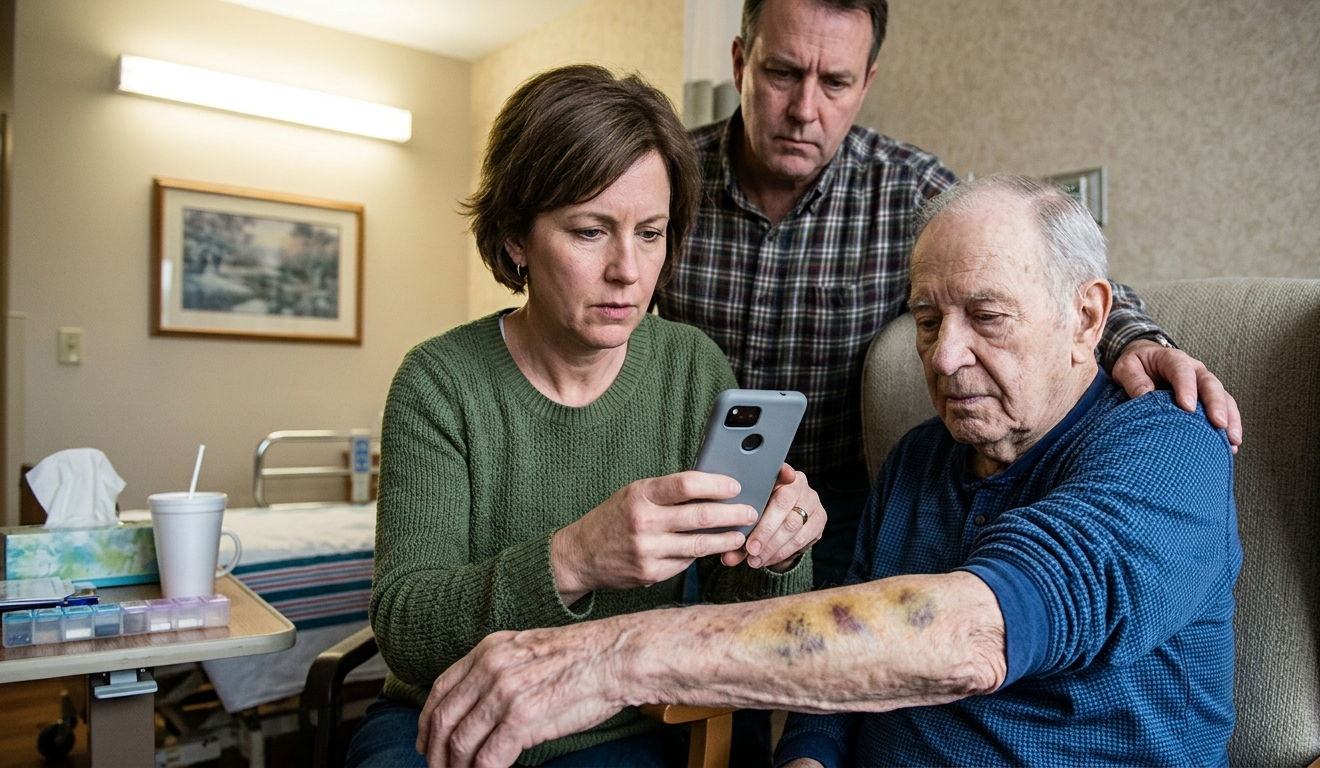
Most families place enormous trust in nursing homes when they can no longer safely care for an elderly loved one at home. They expect caregivers to provide compassion, dignity, patience, and protection every day. Discovering signs of physical abuse inside a nursing facility can feel devastating because families trusted the facility to provide safe and respectful care.
For many families, the warning signs appear slowly through unexplained bruises, emotional withdrawal, fear around staff members, or vague explanations about injuries. Understanding how physical abuse develops, what warning signs families should watch for, and when to speak with a
Chicago nursing home abuse lawyer can help families protect vulnerable residents before conditions become even more dangerous.
What Is The Nurse's Responsibility When Physical Abuse Is Suspected?
When physical abuse is suspected inside a nursing home, nurses and caregivers have both professional and legal responsibilities to protect the resident from additional harm. Staff members are generally expected to report suspected abuse immediately, document injuries carefully, notify supervisors, and ensure the resident receives proper medical attention and protection. Families often consult a Chicago nursing home abuse lawyer after learning that warning signs may have been ignored or minimized by facility staff.
Signs that may indicate physical abuse include unexplained bruises, fractures, emotional withdrawal, fearfulness around caregivers, repeated injuries, delayed medical treatment, or signs of restraint misuse. Residents suffering from dementia or communication difficulties may struggle to explain clearly what happened, which makes careful monitoring even more important. A Chicago nursing home abuse lawyer may investigate whether nursing home staff followed proper abuse reporting procedures after concerning injuries or behavioral changes appeared.
Facilities are generally expected to investigate abuse concerns promptly instead of dismissing complaints or providing inconsistent explanations. At Chicago Nursing Home Abuse Attorney, we regularly remind families that abuse allegations should never be ignored simply because a resident has cognitive decline or memory loss. Elderly residents remain entitled to safety, dignity, and compassionate treatment regardless of their physical or mental condition.
What Factors Contribute To The Heightened Vulnerability Of People Living With Dementia To Abuse And Exploitation As The Condition Progresses?
Residents living with dementia often face significantly increased vulnerability because cognitive decline affects memory, judgment, communication, and awareness of unsafe treatment. As dementia progresses, many residents become entirely dependent on caregivers for mobility assistance, medication management, feeding, hygiene care, emotional support, and daily supervision. Families frequently contact a Chicago nursing home abuse lawyer after noticing troubling behavioral changes in loved ones with dementia who may not be able to explain clearly what is happening inside the facility.
Individuals with dementia may forget abusive incidents, become confused about events, fear retaliation from caregivers, or struggle to communicate concerns effectively. This creates opportunities for neglect or abuse to continue unnoticed for longer periods. A Chicago nursing home abuse lawyer may investigate whether facilities failed to provide proper supervision and protection for cognitively vulnerable residents.
Many families initially dismiss warning signs because they assume emotional withdrawal or confusion is simply part of dementia progression. Unfortunately, this sometimes allows abuse concerns to continue without intervention. At Chicago Nursing Home Abuse Attorney, we regularly help families evaluate whether changes in mood, fearfulness, anxiety, or injuries may point to more serious concerns involving unsafe treatment or neglect inside the nursing facility.
What Feelings Do Nurses Most Commonly Experience When Working With Abusive Families?
Nurses and caregivers may experience emotional exhaustion, stress, anxiety, frustration, or burnout when working inside demanding nursing home environments. However, emotional pressure and difficult working conditions never excuse abusive behavior toward elderly residents. Families often speak with a Chicago nursing home abuse lawyer after learning that understaffing, poor supervision, or caregiver burnout may have contributed to unsafe resident treatment inside the facility.
Professional caregivers are still expected to follow proper care standards, maintain emotional control, report safety concerns appropriately, and treat residents respectfully regardless of workplace stress levels. Nursing home management also plays a major role in maintaining safe staffing levels, accountability systems, and adequate training programs to reduce the risk of neglect or abuse. A Chicago nursing home abuse lawyer may investigate whether chronic understaffing or poor facility oversight contributed to dangerous conditions for residents.
In some facilities, caregivers become overwhelmed because too few employees are responsible for large numbers of vulnerable residents with complex medical and emotional needs. At Chicago Nursing Home Abuse Attorney, we frequently explain that abuse cases sometimes involve larger operational failures rather than isolated employee misconduct alone.
What Are Red Flags In A Nursing Home?
Several warning signs may indicate possible abuse or neglect inside a nursing home. Families should watch carefully for unexplained bruises, sudden emotional withdrawal, poor hygiene conditions, rapid weight loss, delayed medical attention, bed sores, repeated falls, fear around certain staff members, or unsanitary living conditions. Families often contact a Chicago nursing home abuse lawyer after noticing patterns of concerning behavior rather than one isolated incident.
Additional concerns may include staff refusing private visits, inconsistent explanations about injuries, delayed responses to medical concerns, missing belongings, or employees appearing overwhelmed and understaffed. According to the
National Institute on Aging, signs of elder abuse may involve physical injuries, emotional changes, neglect, and unusual behavioral patterns. A Chicago nursing home abuse lawyer may review medical records, staffing documentation, and incident reports to determine whether warning signs point toward neglect or abuse.
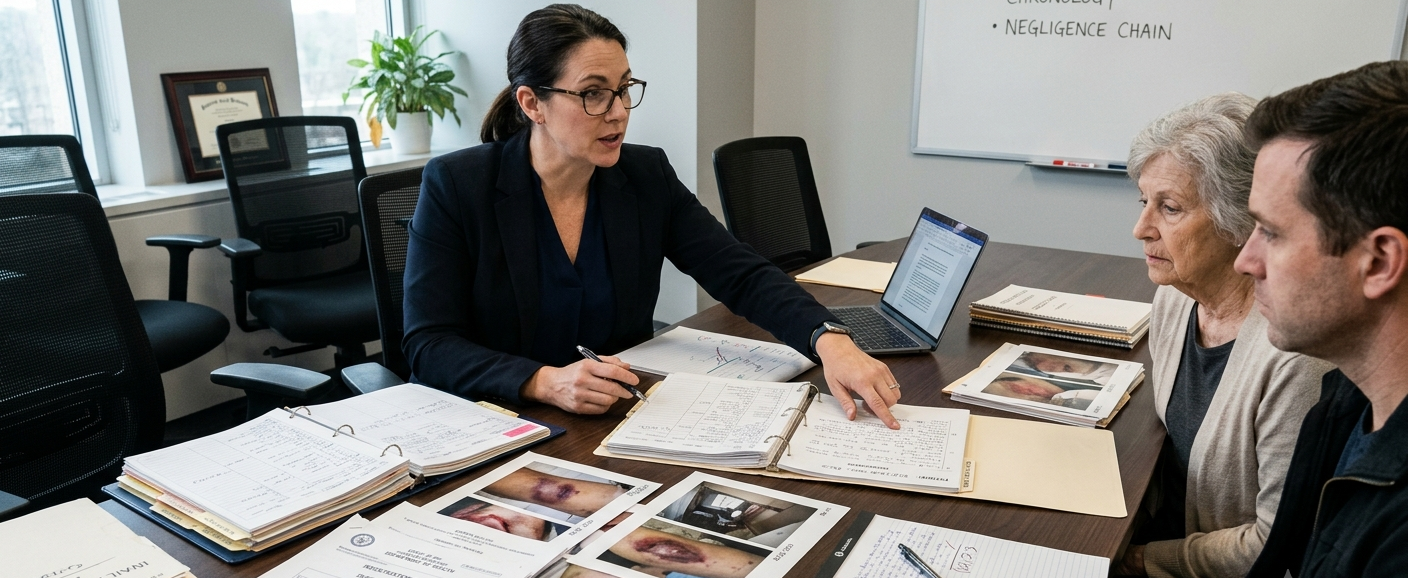
Families should trust their instincts when something feels wrong about a loved one’s care or behavior. We recently spoke with a Chicago family whose elderly mother became increasingly withdrawn after entering a nursing facility following surgery recovery. Initially, the family believed her emotional changes were simply part of adjusting to long term care. Over time, however, they noticed unexplained bruising, anxiety around certain staff members, and reluctance to speak openly during visits.
What Is The Biggest Complaint In Nursing Homes?
Many of the most common nursing home complaints involve understaffing, poor communication, delayed medical care, neglect, medication errors, hygiene concerns, and inadequate resident supervision. Understaffing remains especially concerning because overwhelmed caregivers may struggle to provide consistent attention and safe care for every resident. Families often consult a Chicago nursing home abuse lawyer after repeated concerns about injuries, unanswered questions, or poor communication from facility staff.
When caregivers are stretched too thin, important warning signs may go unnoticed and resident needs may be delayed or ignored entirely. Residents who require assistance with mobility, medication management, hygiene care, or cognitive supervision face particularly high risk when staffing levels become inadequate. A Chicago nursing home abuse lawyer may investigate whether staffing shortages contributed directly to unsafe conditions inside the nursing home.
Families evaluating facilities should carefully review inspection histories, communication practices, staffing concerns, and resident safety records whenever possible. At Chicago Nursing Home Abuse Attorney, we regularly remind families that repeated communication problems or vague explanations from staff should never be ignored, as they may point to deeper operational concerns within the facility.
Why Physical Abuse In Nursing Homes Often Goes Unreported
Physical abuse inside nursing homes frequently remains hidden because many residents fear retaliation, struggle with memory loss, or depend entirely on caregivers for daily survival needs. Elderly residents may worry that reporting abuse could worsen their treatment or create tension with staff members they rely on for medication, meals, hygiene care, and mobility assistance. Families often seek guidance from a Chicago nursing home abuse lawyer after discovering concerns that may have continued for long periods without proper investigation.
Residents suffering from dementia or cognitive decline face even greater challenges when trying to report unsafe treatment clearly. Some residents become confused about events or hesitate to speak openly because they fear they will not be believed. A Chicago nursing home abuse lawyer may help families investigate situations where injuries, emotional withdrawal, or behavioral changes suggest abuse may have occurred behind closed doors.
Unfortunately, some facilities may attempt to minimize complaints or attribute injuries entirely to aging, falls, or medical conditions without fully examining possible abuse concerns. At
Chicago Nursing Home Abuse Attorney, we understand how difficult it can be for families trying to determine whether unexplained injuries or emotional changes point to something more serious involving resident mistreatment.
Additional Warning Signs Families Should Watch For
Families should monitor for changes in personality, fearfulness during caregiver interactions, repeated injuries, poor hygiene, missing belongings, sudden medication changes, or staff refusal to allow private conversations with residents. Even subtle behavioral changes may indicate larger concerns involving neglect, intimidation, or abuse. Families frequently contact a Chicago nursing home abuse lawyer after noticing emotional withdrawal or anxiety that developed gradually over time.
Residents who suddenly become quiet, fearful, or emotionally distressed around specific caregivers may be attempting to communicate discomfort without directly explaining what happened. Frequent unexplained bruises, inconsistent explanations for injuries, or delayed medical treatment should also raise concerns. A Chicago nursing home abuse lawyer may review medical records, staffing documentation, and facility incident reports to evaluate whether abuse warning signs were properly addressed.
At Chicago Nursing Home Abuse Attorney, we regularly encourage families to document concerns early, ask direct questions, and remain actively involved in their loved one’s care whenever possible. Early intervention may help prevent further harm when warning signs begin to appear within a nursing facility.
How Families Can Help Protect Vulnerable Residents
Families play an important role in helping protect elderly loved ones from abuse or neglect inside nursing homes. Frequent visits, open communication, careful observation, and strong involvement in care planning often help families identify problems earlier. Families consulting a Chicago nursing home abuse lawyer frequently explain they noticed subtle warning signs long before serious injuries or abuse allegations became fully apparent.
Residents often feel safer discussing concerns when family members remain consistently involved and attentive to changes in mood, behavior, hygiene, or physical condition. Asking questions about staffing, medical care, supervision, and incident reporting may also help families identify concerning patterns before conditions worsen. A Chicago nursing home abuse lawyer may help families understand legal rights and investigate whether facilities failed to protect vulnerable residents properly.
At Chicago Nursing Home Abuse Attorney, we believe families deserve transparency, honesty, and accountability when serious concerns arise involving nursing home care. Vulnerable residents depend heavily on both caregivers and family members for protection, advocacy, and support during every stage of long term care. If you want to explore further, read
Signs of Nursing Home Abuse Every Family Should Know.
Conclusion
Physical abuse inside nursing homes can create devastating physical and emotional consequences for elderly residents and their families. While many caregivers provide compassionate and professional support, families should remain alert to warning signs involving unexplained injuries, emotional withdrawal, poor supervision, or unsafe treatment inside long term care facilities.
Residents with dementia, mobility limitations, or serious medical conditions often face the greatest risks because they depend heavily on caregivers for daily protection and support. Speaking with a Chicago nursing home abuse lawyer may help families better understand whether negligence or abuse contributed to a loved one’s injuries and what legal options may be available moving forward.
At Chicago Nursing Home Abuse Attorney, we understand how painful and confusing these situations can become for families trying to protect vulnerable loved ones. If you suspect abuse or neglect inside a nursing home,
contact us today to learn more about protecting your loved one’s rights and understanding possible next steps.
Follow our social media pages below: